Announced 11 Nov 2026 · Sources checked
What United Airlines announced
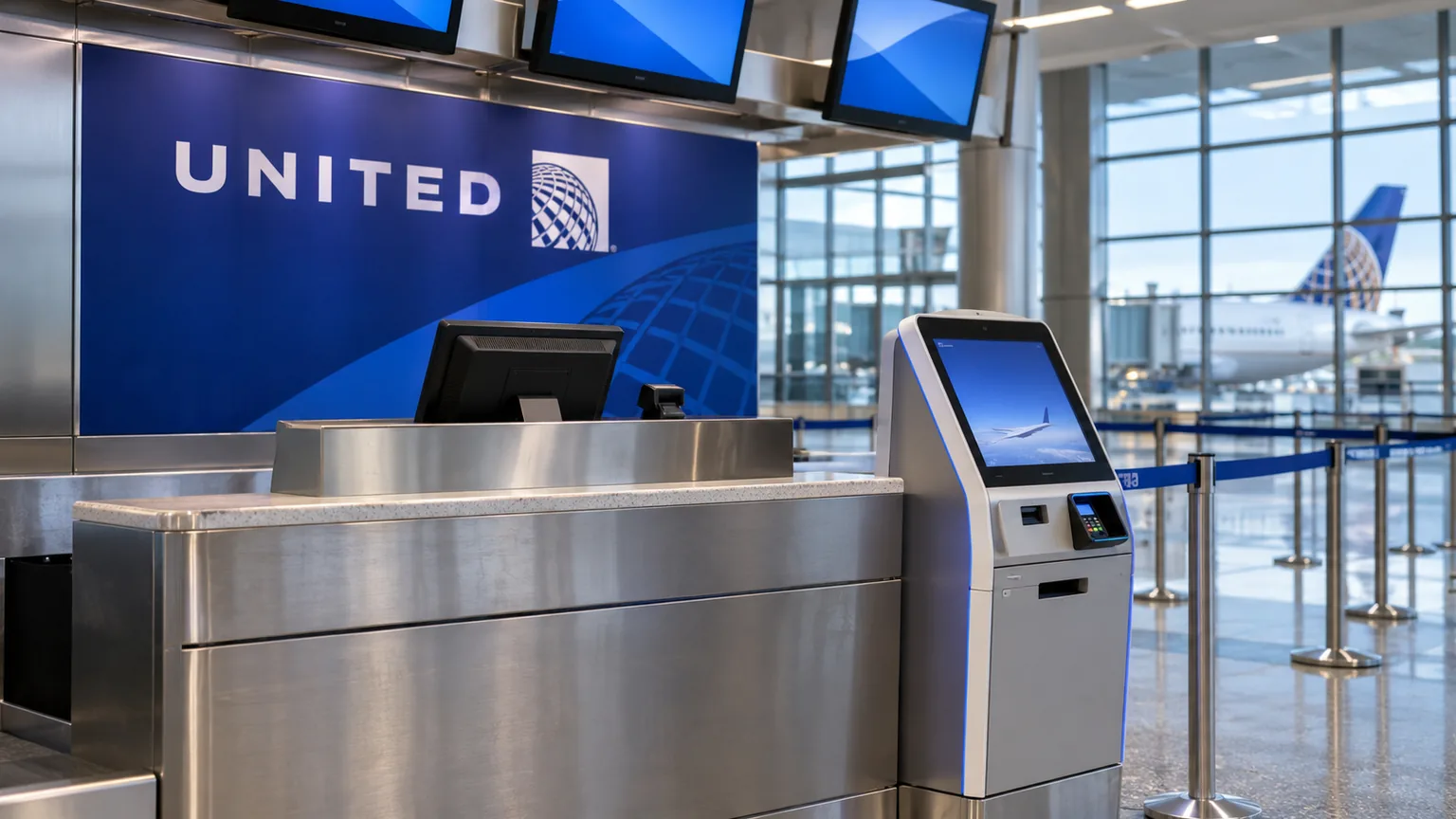
United Airlines said on November 11 that it is banning third-party AI agents from making flight reservations on behalf of travelers.
The policy targets personal AI assistants such as Meta's Muse and OpenAI's dots, which consumers increasingly use to research products, find deals, and make purchases.
The carrier said it is updating its booking and ticketing policies to reflect the new restrictions, and is taking steps to block agent access directly within its digital platforms and indirectly through travel agencies and aggregators.
The announcement was widely covered by CBS News, The New York Times, The Wall Street Journal, and USA Today, each of whom independently reported the details of the new policy.
Why United says AI agents are a security risk
United's policy statement warns that sharing account credentials with personal third-party AI assistants can expose sensitive information. The airline said actions taken by these tools may result in unintended purchases, account changes, or unauthorized use of MileagePlus miles.
To make a booking, an AI agent typically needs access to a customer's personal information, including payment details and loyalty account credentials. United said this creates an unacceptable security exposure.
The airline also raised a regulatory concern: using an AI agent to check in for a flight could violate federal regulations that require travelers to verify in person that their luggage does not contain banned substances.
The carrier argues it cannot delegate that verification to software.
How existing bookings are affected
United said bookings made by AI agents before November 11, 2026, will not be canceled. The new policy applies only to future agent-assisted reservations.
United fares will remain bookable through established flight aggregators such as Kayak, Hopper, and Google Flights, which are not considered personal AI agents under the policy.
The airline is drawing a line between traditional metasearch platforms and newer AI tools that act on a user's behalf using their account credentials.
The decision to grandfather existing bookings gives consumers who have already used AI agents for travel a grace period, but it also signals that United expects the practice to grow.
The airline is effectively drawing a line in the sand, telling users of tools like Muse and dots that they cannot rely on those services for future United travel.
How other airlines are handling AI agents differently
Not every carrier is taking United's approach. Southwest has made its flight inventory viewable through ChatGPT, allowing the AI app to surface its fares alongside other options.
That integration gives OpenAI's assistant a direct window into Southwest's schedule and pricing without requiring a credential handover.
Henry Harteveldt, an aviation analyst at Atmosphere Research Group, told CBS News that United's move reflects a desire to control the customer relationship.
He said flight searches cost airlines money, and United wants to avoid the expense associated with a surge of AI bot flight queries.
He noted that consumers should not find it more difficult to find good fares on United through existing channels.
Southwest's approach represents the opposite end of the spectrum. By making its inventory available through ChatGPT, Southwest treats the AI assistant as a distribution channel similar to Kayak or Expedia.
The key difference is that ChatGPT does not need the user's Southwest login credentials to show fares, sidestepping the security and liability concerns that United cited.
Harteveldt noted that United's policy may push some travelers toward airlines that accommodate AI agents, but he expects other carriers to study the impact before making similar moves.
United's early stance could give it leverage if agent-driven shopping creates measurable cost increases for airlines that absorb the query traffic.
What this means for the AI agent ecosystem
United's ban is one of the first explicit restrictions by a major airline on agent-mediated transactions.
It follows a similar pattern set by financial institutions: Wells Fargo recently announced it would hold customers liable for actions taken by their AI agents, and JPMorgan has blocked outside AI agents from accessing Chase accounts.
The travel industry presents a unique challenge for AI agents because it involves regulated transactions, shared credentials, and liability for physical security checks.
United's policy suggests that airlines may require agent-specific authentication frameworks before they can safely support AI-assisted booking at scale.
The airline industry faces a structural challenge with AI agents that banks and other regulated industries already grapple with: how to authenticate agent-initiated transactions when the agent, not the human, is making the request.
United's policy essentially pushes that problem back to the consumer by prohibiting the practice, rather than building an authorized agent API that could handle the authentication and liability issues.
The broader AI agent industry has been racing to sign partnerships with travel, retail, and financial services companies. Meta's Muse and OpenAI's dots both support booking and purchasing workflows.
United's ban creates friction for those adoption efforts by closing off one of the largest U.S. airlines to agent-assisted travel.
What travelers should know
Travelers who currently use AI agents to manage travel plans can still book United flights through traditional channels including the airline's website, mobile app, Kayak, Hopper, and Google Flights.
The ban specifically targets AI agents that use the traveler's own United account credentials to search, book, and check in.
Consumers using AI assistants for trip planning can still research United schedules and pricing through the agent, as long as the actual booking and account management steps happen outside the agent. The distinction is between research and execution.
United said it will continue to monitor developments in AI agent technology and may adjust its policy over time. For now, the message is clear: United wants to maintain direct control over the booking experience and the associated data.
Common questions
Which AI agents are affected by United's ban?
The policy targets third-party personal AI agents and assistants that make flight reservations on behalf of travelers, including Meta's Muse and OpenAI's dots. It does not apply to traditional flight aggregators like Kayak, Hopper, or Google Flights.
Will my existing AI agent bookings be canceled?
No. United said bookings made by AI agents prior to November 11, 2026, will not be canceled.
Why can't AI agents check in for flights under United's policy?
United says automated check-in could violate federal regulations that require passengers to personally verify their luggage does not contain banned substances, a step the airline argues cannot be delegated to software.
Sources & further reading
How this story was made
Written by Kristian Kostov with AI assistance and checked against the linked sources. Company performance claims are attributed to the company. Analysis reflects AiLookout’s interpretation; we have not independently tested the products discussed. The cover is an AI-generated editorial illustration, not a photograph or evidence of an actual event.
Our editorial standards