Announced 5 Nov 2026 · Sources checked
What did Mark Cuban say about Facebook and AI deepfake ads?
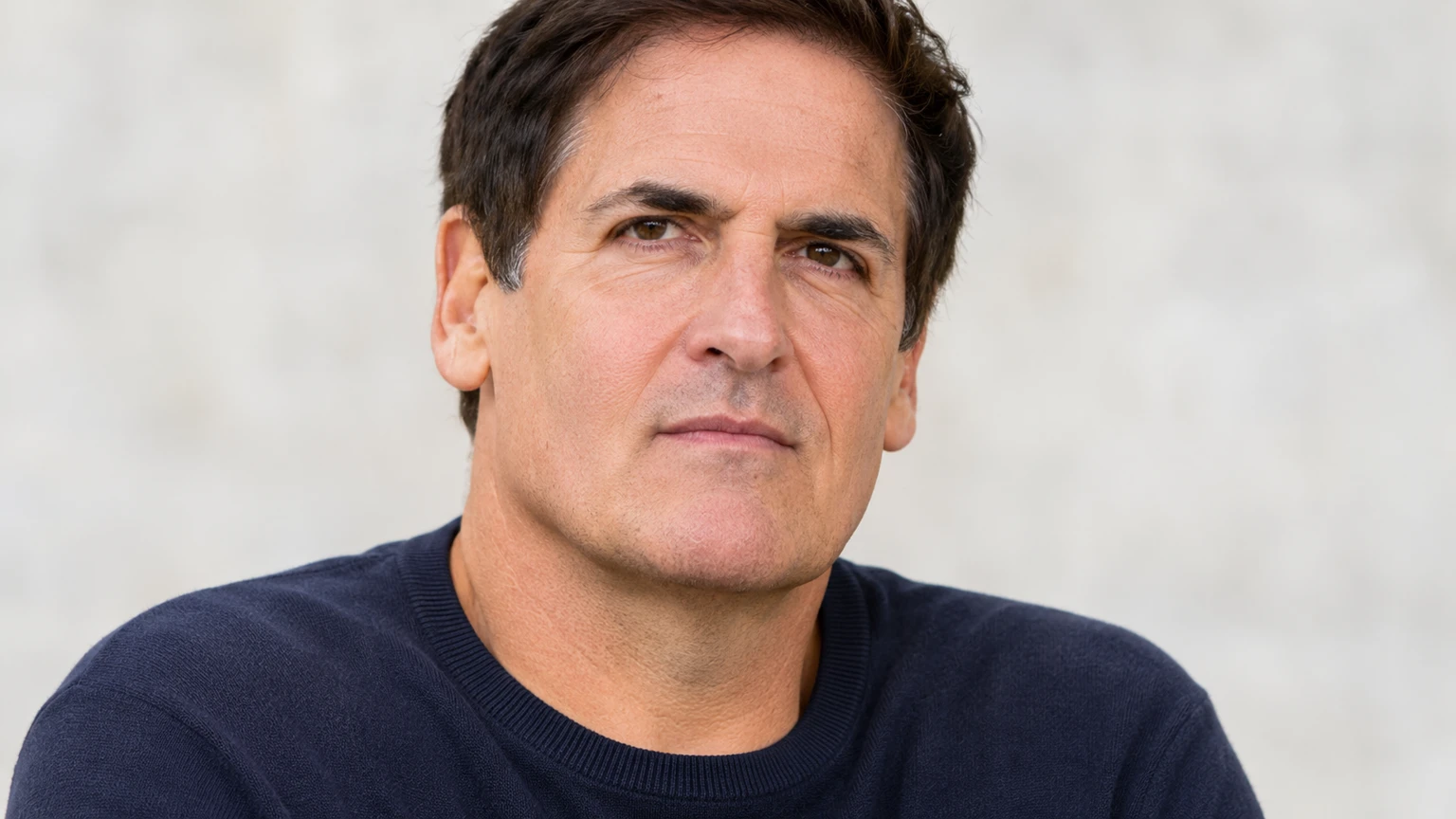
Mark Cuban, the billionaire investor and former Shark Tank star, said during an August 2026 episode of the Pivot podcast that Meta knowingly runs AI-generated deepfake advertisements that use his face and voice to sell a $294 diabetes cure. Cuban said he receives emails every week from older people who believe he is selling the treatment. "Every single week I get emails from little old men and ladies saying, 'Will my cure for diabetes work?' or 'I just ordered your cure for diabetes for $294,'" Cuban said on the podcast.
"Facebook knows the little old ladies are getting ripped off," the 68-year-old investor said. He called the platform "the worst of the worst" for allowing the practice to continue. Cuban noted that some ads include a disclaimer acknowledging the person on screen is AI-generated and the clip is intended as entertainment — but by the time a viewer reads that, the pitch has already worked. "And to Facebook, that's good enough," Cuban said. "The point is, that defines the culture of the organization."
Cuban does run a drug company — he co-founded Cost Plus Drugs, an online pharmacy that sells low-cost generic medications — which may lend credibility to the scam ads. He does not market or sell diabetes cures through the company.
What did the internal Meta documents show?
On November 6, 2025, Reuters reported on internal Meta documents estimating that roughly $16 billion, or about 10% of the company's 2024 revenue, came from advertisements promoting scams and prohibited products. According to the documents, users across Meta's apps were seeing approximately 15 billion "higher risk" ads per day — those with clear markers of fraud. A late 2024 document put the value of that category at about $7 billion per year.
A May 2025 internal presentation by Meta's own safety staff estimated that the company's platforms play a part in a third of all successful scams in the United States. Before Meta bans a suspected scam advertiser, its automated systems must determine with at least 95% confidence that the account is running a scam. Below that threshold, the suspected scammer simply pays a higher ad rate and continues running ads.
Meta spokesman Andy Stone told Reuters at the time that the documents "present a selective view that distorts Meta's approach to fraud and scams," calling the $16 billion estimate "rough and overly-inclusive." Stone said complaints about scam ads had fallen 58% over the prior 18 months and that Meta had removed more than 134 million scam ads in 2025. The same Reuters report noted that the Securities and Exchange Commission was investigating Meta over advertising linked to financial fraud.
How big is the AI scam problem for older Americans?
The broader trend backs up Cuban's frustration. According to the FBI's 2025 Internet Crime Report, Americans age 60 and older filed 201,266 complaints with reported losses of $7.75 billion — a 59% increase in dollar losses over 2024. The FBI recorded 3,143 AI-related complaints from that age group, with total AI-related fraud losses across all ages exceeding $893 million. Investment schemes caused the most damage at $3.5 billion, with tech support scams taking another $1.04 billion.
The FTC has previously warned about scammers using doctored images and videos of Shark Tank personalities to promote questionable products. The agency recommends searching a celebrity's name alongside the product name and the word "scam" before making any purchasing decisions based on a social media advertisement. Medical products promising miracle results should be treated with particular caution: the FDA warns that unapproved diabetes treatments sold online may be ineffective or dangerous.
What does this mean for Meta's AI and advertising business?
The controversy highlights a fundamental tension in Meta's business model. The company's advertising revenue — its primary income source — depends on volume, and scam ads represent a significant and profitable category. Cuban's accusation that Meta knows about the problem and allows it to continue echoes broader criticism that the platform's enforcement systems are designed to maximize revenue rather than protect users.
Meta has faced separate AI-related incidents this year. In September 2026, a Toronto man said Meta's AI agent managing his Facebook Marketplace listings gave a buyer his street address and accepted a lowball offer. The company is also under SEC investigation over advertising tied to financial fraud, as noted in the same Reuters documents.
For the AI industry broadly, the story illustrates a growing problem: the same generative AI tools that power productive applications also enable convincing impersonation at scale. Cuban's experience — a billionaire with the resources to identify and publicize the issue — suggests the problem is even harder for the average Facebook user to spot.
Common questions
Is Mark Cuban really selling a diabetes cure?
No. Cuban co-founded Cost Plus Drugs, a pharmacy selling low-cost generic medications, but does not market or sell a diabetes cure. The ads showing him promoting a $294 cure are AI-generated deepfakes.
How much money does Meta make from scam ads?
Internal Meta documents reported by Reuters in 2025 projected roughly $16 billion, or about 10% of Meta's 2024 revenue, came from ads promoting scams and prohibited products. Meta disputed this estimate as "rough and overly-inclusive."
What is Meta doing to stop AI deepfake scam ads?
Meta says its automated systems require 95% confidence before banning a suspected scam account, and that it removed more than 134 million scam ads in 2025. However, critics argue the threshold is set too high and that the company's enforcement is designed to preserve ad revenue.
Sources & further reading
- Mark Cuban says Facebook knowingly runs AI deepfake scam ads as Meta docs reveal $16 billion in fraud-linked revenue ↗
- Mark Cuban Says Facebook Is Letting Con Artists Use His Face To Target Seniors ↗
- Mark Cuban Accuses Facebook of Allowing AI Deepfake Scams as Meta Faces Scrutiny ↗
- Mark Cuban vs Facebook: AI Deepfake Ads and the $16B Claim ↗
How this story was made
Written by Kristian Kostov with AI assistance and checked against the linked sources. Company performance claims are attributed to the company. Analysis reflects AiLookout’s interpretation; we have not independently tested the products discussed. The cover is an AI-generated editorial illustration, not a photograph or evidence of an actual event.
Our editorial standards