Sources checked
Why is Signal blocking screenshots?
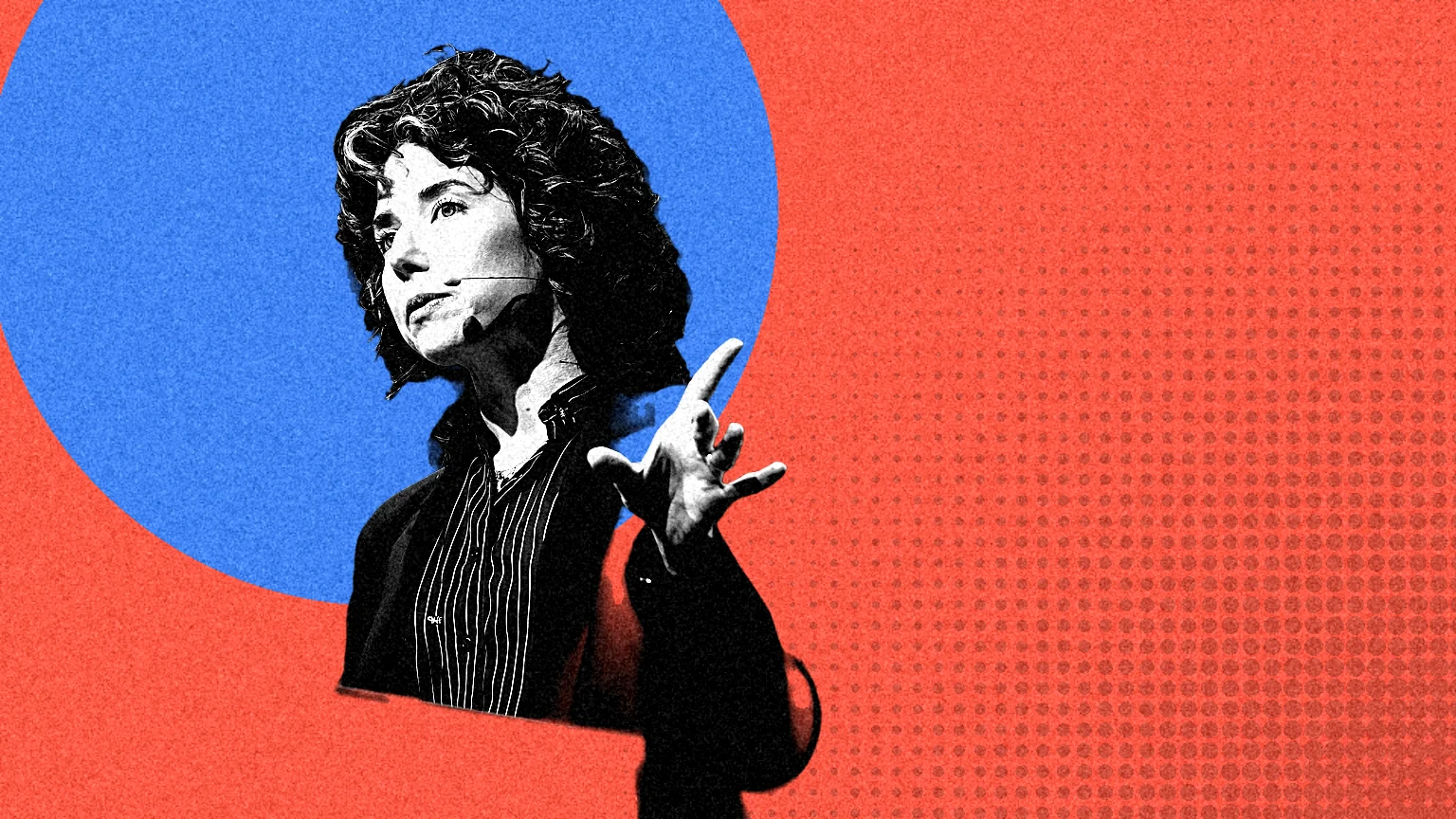
Signal announced it is restricting screenshots on its mobile apps to prevent operating-system AI agents from reading private conversations. President Meredith Whittaker described integrated agentic AI as an "existential threat" to the app's ability to guarantee privacy.
"Now, in service of AI agentic capabilities, your sensitive data is being captured, stored, and made accessible to whatever local database or remote server an OS-level AI agent is using at that moment," Whittaker wrote.
"All of this is outside of Signal's control once the data has been captured, and imperils the privacy of all the participants in a conversation." TechCrunch
The move comes as the major operating system companies are racing to embed generative AI capabilities directly into their platforms.
Signal's encryption protocol has been independently verified by security researchers worldwide, but the company argues that application-layer encryption means nothing when the OS itself can read what is on the screen.
The encrypted content is decrypted for display, and at that point an AI agent with screen access can capture it regardless of how strong the encryption is.
"For over a decade, this guarantee has been backed by our tried and trusted open source code base and our formally verified encryption protocol," the company said.
"These have been scrutinized by some of the best security experts and hackers across the world, and shown to be robust."
Which AI systems is Signal targeting?
The company specifically called out Apple's Siri AI with Onscreen Awareness on iOS 27, Google's Gemini Intelligence on Android, and Microsoft's Recall on Windows.
These systems scan on-screen information to power agentic features, allowing them to answer questions and perform actions using whatever is displayed on the user's screen.
The core problem, Signal argued, is structural: these three companies control the operating system environment that every app must operate within.
Signal had already blocked screenshots on its Windows app last year in response to Microsoft Recall, which captures screenshots every few seconds and indexes them in a searchable on-device database.
The company described Google, Apple, and Microsoft as providing the "oceans" in which apps like Signal must swim, and said these operating systems are making the environment "increasingly hostile to privacy." Signal blog
How does the screenshot restriction work?
On iOS 27, Signal is preventing screenshots by default. On Android, the app automatically enables a "Screen security" setting when it detects that an AI assistant is attempting to capture screen data.
The company said it cannot reliably implement the same protection across all Android variants since different vendors ship different versions of the operating system.
For Android devices where the company cannot reliably detect AI assistant screen access, Signal opted not to disable screenshots entirely to avoid confusing users with sudden breakage.
Users who want to take screenshots can disable the protection in the app's settings. But the company warned that doing so "will potentially expose your (and your contacts') Signal content to these AI agents, and break our privacy guarantees."
Whittaker acknowledged the solution is "incomplete" and does not "address other more sneaky ways AI agents could potentially access application data," such as retrieving content from the filesystem.
She described the current measures as the best Signal can do given the tools available from OS vendors.
Why can Signal not protect macOS users?
Signal said it cannot reliably block screenshots on macOS because Apple does not provide the necessary developer APIs.
Trying to implement screenshot blocking revealed "a minefield of bewildering decisions that place user privacy at risk," including APIs that have been deprecated in favor of solutions that only work for streaming media and DRM-protected content.
The recommendation for macOS 27 users is to manually add Signal to the Excluded Apps section in System Settings under Siri. The company described the macOS limitations as "something we hope Apple remedies urgently."
What is Signal calling on OS makers to do?
The company published a set of demands for Apple, Google, and Microsoft.
First, developers should have "an easy and well-documented way to opt their app out of AI data access and processing," covering screen reading, filesystem access, notifications, APIs, and other OS frameworks.
Second, the OS companies should create better documentation and technical specifications about how these AI agents function regarding data access and processing.
Signal also warned about third-party AI agents like Meta's Muse, which use accessibility settings to access application data.
The company said these permissions were "meant to empower actual people" and should not "act as a skeleton key that provides access to AI agents."
The forensic challenge
Signal revealed it spent "considerable developer time and energy doing forensic investigations across Android and iOS" to understand what happens when AI systems access application data.
The company said it is struggling with "a significant lack of documentation about how these AI agents actually work."
Without clearer technical specifications from Apple, Google, and Microsoft, Signal warned it will become increasingly difficult for any developer to provide robust privacy protections.
The company noted it is "cautiously optimistic that some major OS providers, like Google and Apple, are engaging with us" on how these systems should interface with privacy-sensitive apps.
The broader implications
The move marks an escalation in the arms race between application-level privacy and AI agents embedded deep in operating systems.
Signal described itself as "the canary in the coal mine" and said the problem affects the entire app ecosystem, not just encrypted messaging apps.
Every application that displays sensitive data on screen now faces the same fundamental problem: the OS can see everything the user sees, and AI agents are being given direct access to that data stream.
The company argued the current trajectory of AI agent integration, without standard developer safeguards, represents an existential threat to privacy at the application layer.
Signal is engaging with Google and Apple on potential solutions and said it is "cautiously optimistic" about progress, but warned that without clear technical specifications and opt-out APIs, independent developers will have no way to protect user data.
Common questions
Can Signal users still take screenshots?
Yes. The setting can be disabled in the app's settings, but Signal warns that doing so exposes message content to OS-level AI agents and breaks the app's privacy guarantees.
Why is Signal not blocking screenshots on macOS?
Signal said Apple does not provide the developer APIs needed to implement reliable screenshot blocking on macOS. The company described the current tools as a minefield that puts user privacy at risk.
Which AI systems is Signal concerned about?
The company specifically called out Apple's Siri AI with Onscreen Awareness on iOS 27, Google's Gemini Intelligence on Android, and Microsoft's Recall on Windows, along with third-party agents like Meta's Muse.
Sources & further reading
How this story was made
Written by Simon with AI assistance and checked against the linked sources. Company performance claims are attributed to the company. Analysis reflects AiLookout’s interpretation; we have not independently tested the products discussed. Cover photography is illustrative and does not depict the specific announcement or product.
Our editorial standards