Sources checked
Signal blocks AI assistants from reading your private chats
Signal is blocking screenshots on iOS 27 and Android devices to prevent AI assistants built into the operating system from capturing private conversations.
The encrypted messaging app said the move was necessary because agentic AI features from Google, Apple, and Microsoft now scan on-screen data as part of their core functionality, leaking user content outside the app's control.
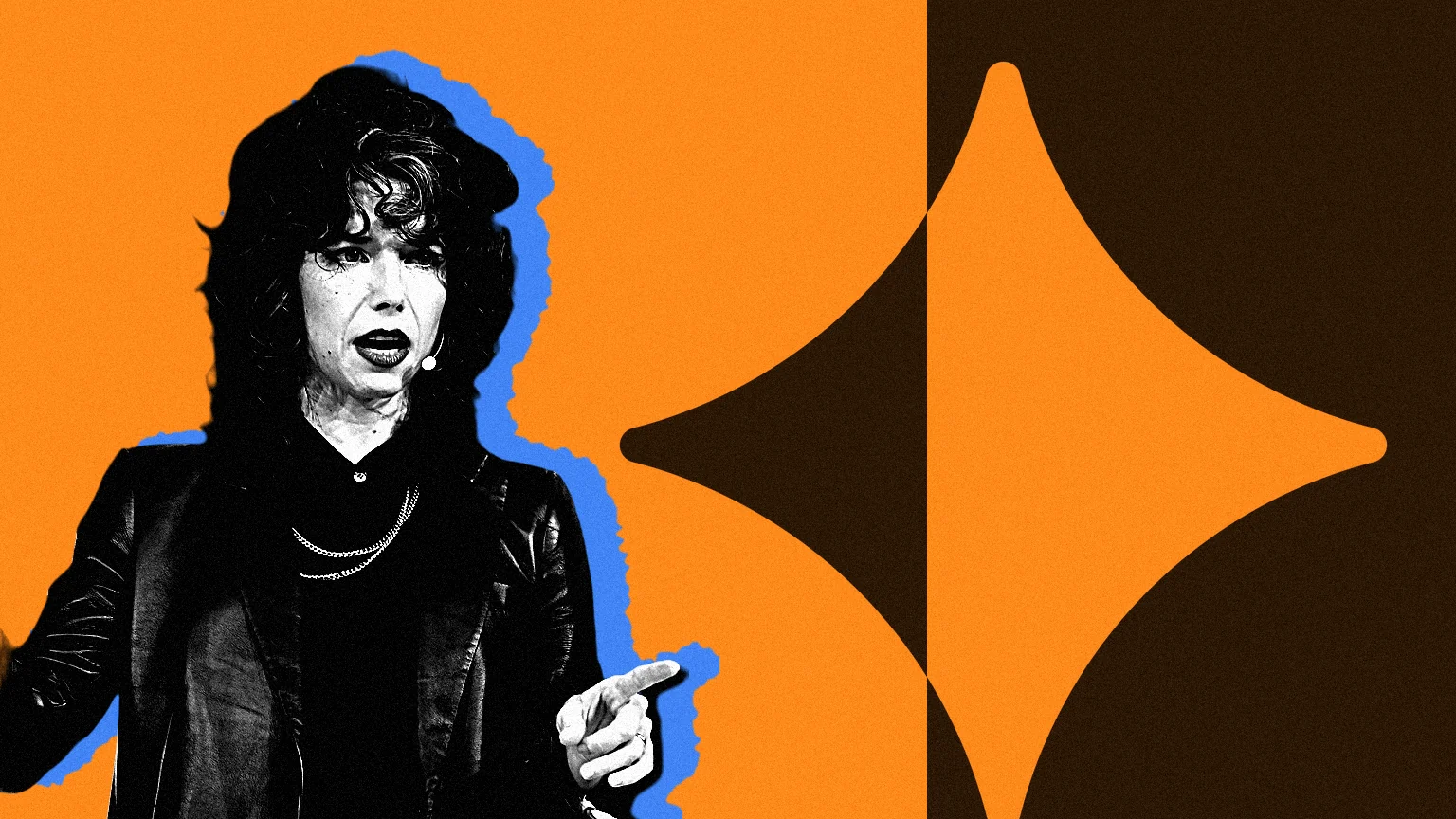
"We all need to recognize that the current integration of AI agents into the operating system, without these common-sense remedies, represents an existential threat to privacy at the application layer," Signal president Meredith Whittaker wrote in a blog post.
She said Signal was the "canary in the coal mine" but the issue affected the entire app ecosystem.
How the screenshot block works
The Verge reported that the restrictions are enabled by default. On iOS 27, Signal blocks all screenshots taken within the app.
On Android, the app detects when an AI assistant attempts to capture screen data and blocks the capture automatically.
Users who need screenshots can disable the protection in Signal's settings, but Whittaker warned that doing so "will potentially expose your (and your contacts') Signal content to these AI agents, and break our privacy guarantees."
The company took a similar step last year to prevent Microsoft's Recall feature from capturing Signal chats on Windows 11.
Recall captured screenshots every few seconds, extracted text via optical character recognition, and populated a searchable database — indefinitely retaining even disappearing messages.
The mobile rollout extends the same defensive logic to Google Gemini's Intelligence features on Android and Apple's Siri AI Onscreen Awareness on iOS, both of which can read screen content to answer user questions and pull up relevant information.
The block applies to the specific apps installed on each device, not system-wide.
The deeper problem: operating-system AI that apps cannot control
Whittaker framed the screenshot restriction as a stopgap rather than a full solution.
Signal said it spent "considerable developer time and energy doing forensic investigations across Android and iOS" to understand how these AI systems actually access application data, and still lacked clear documentation from Apple, Google, and Microsoft.
"It is a serious problem that Signal — and application developers beyond — lack robust tools to prevent AI agents from undermining application-level privacy," Whittaker wrote.
"Even where we are able to detect and block AI data access, Google, Apple, Microsoft, and others do not provide ways for developers to easily restrict such AI data access without making drastic compromises to the core user experience."
Signal called on the three major operating-system companies to provide two concrete remedies: a simple, well-documented API for apps to opt out of AI data access and processing entirely, including screen reading, filesystem access, and notifications; and detailed technical documentation about how these AI agents function, particularly regarding data access.
The company said confidential computing approaches were not a complete solution and "still leave the power to determine the extent of privacy guarantees in the hands of these providers."
Where the protections fall short
Signal acknowledged the screenshot block was incomplete. It does not address macOS, where Signal said it "cannot reliably block screenshots."
The company found that APIs for screenshot protection on macOS were either deprecated or designed only for streaming media and DRM-protected content, making them unusable for a messaging app.
For macOS 27 users, Signal's only recommendation was to add the app to the Excluded Apps section in System Settings under Siri AI.
The protections also do not cover alternative ways AI agents could access user data, such as retrieving content already stored on a device through the filesystem.
And on Android, the detection method does not work reliably across all device vendors — Signal said many Android distributions lack a reliable way to detect AI assistant screenshot attempts, forcing the company to choose between breaking screenshots entirely or leaving some users unprotected.
The precedent and what comes next
Signal's decision follows a Reuters investigation showing that Meta's Muse agent could read Signal messages on Android and macOS by leveraging accessibility permissions users grant during setup.
Whittaker called the use of accessibility settings as a "skeleton key" for AI agents a growing concern that requires industry-wide solutions.
"We want to be very clear: it is a serious problem that Signal — and application developers beyond — lack robust tools to prevent AI agents from undermining application-level privacy," Whittaker wrote.
She noted that Signal was also struggling with a "significant lack of documentation about how these AI agents actually work" after months of forensic investigation.
The company said it was "cautiously optimistic" that Google and Apple were engaging with developers on how AI systems should interface with privacy-sensitive apps, and hoped to share more soon.
The outcome of those conversations will determine whether Signal's screenshot blocks are a temporary workaround or a permanent fixture of the privacy landscape.
What this means for Signal users
For the millions of people who rely on Signal for private communication, the screenshot block provides a layer of defense against OS-level AI data collection on mobile, but it is not a complete solution.
Users on desktop remain exposed, and more sophisticated AI data access methods are not addressed.
The broader question — whether operating-system companies will build the tools developers need to control AI access, or whether app-by-app workarounds like Signal's will remain the only option — is still unanswered.
Signal's move reflects a growing tension between the operating-system companies racing to embed AI agents into their platforms and the app developers whose users expect privacy guarantees those platforms do not provide.
For now, Signal's screenshot block buys users a measure of protection on mobile, but the underlying problem — OS vendors controlling the terms of AI data access without developer input — remains unresolved.
Quick facts: - iOS 27: All screenshots blocked by default within Signal - Android: Signal detects and blocks AI assistant screen capture attempts automatically - macOS: No screenshot protection available; users must exclude Signal from Siri AI manually - Windows: Screenshot protection already in place since 2025 for Microsoft Recall - Signal's ask: API for apps to opt out of ALL AI data access, plus clear documentation from OS makers
Common questions
Does Signal's screenshot block stop all AI agents from reading my messages?
No. The block stops on-screen capture by AI assistants like Gemini and Siri AI on iOS 27 and supported Android versions, but does not cover macOS, filesystem-based data access, or AI agents that use other methods to retrieve app data.
Can I still take screenshots in Signal?
Yes, but you must disable the protection in Signal's settings. Signal warns that doing so may expose your messages and your contacts' messages to AI agents and break the company's privacy guarantees.
Why does Signal want Google, Apple, and Microsoft to change their approach?
Signal says it lacks the technical tools and documentation needed to reliably prevent AI agents from accessing app data, and is calling on OS makers to provide a simple opt-out mechanism for AI data access and clearer specifications about how these systems work.
Sources & further reading
How this story was made
Written by AI Lookout with AI assistance and checked against the linked sources. Company performance claims are attributed to the company. Analysis reflects AiLookout’s interpretation; we have not independently tested the products discussed. Cover photography is illustrative and does not depict the specific announcement or product.
Our editorial standards