Announced 4 Nov 2026 · Sources checked
From DRAM gate to Ram Altman
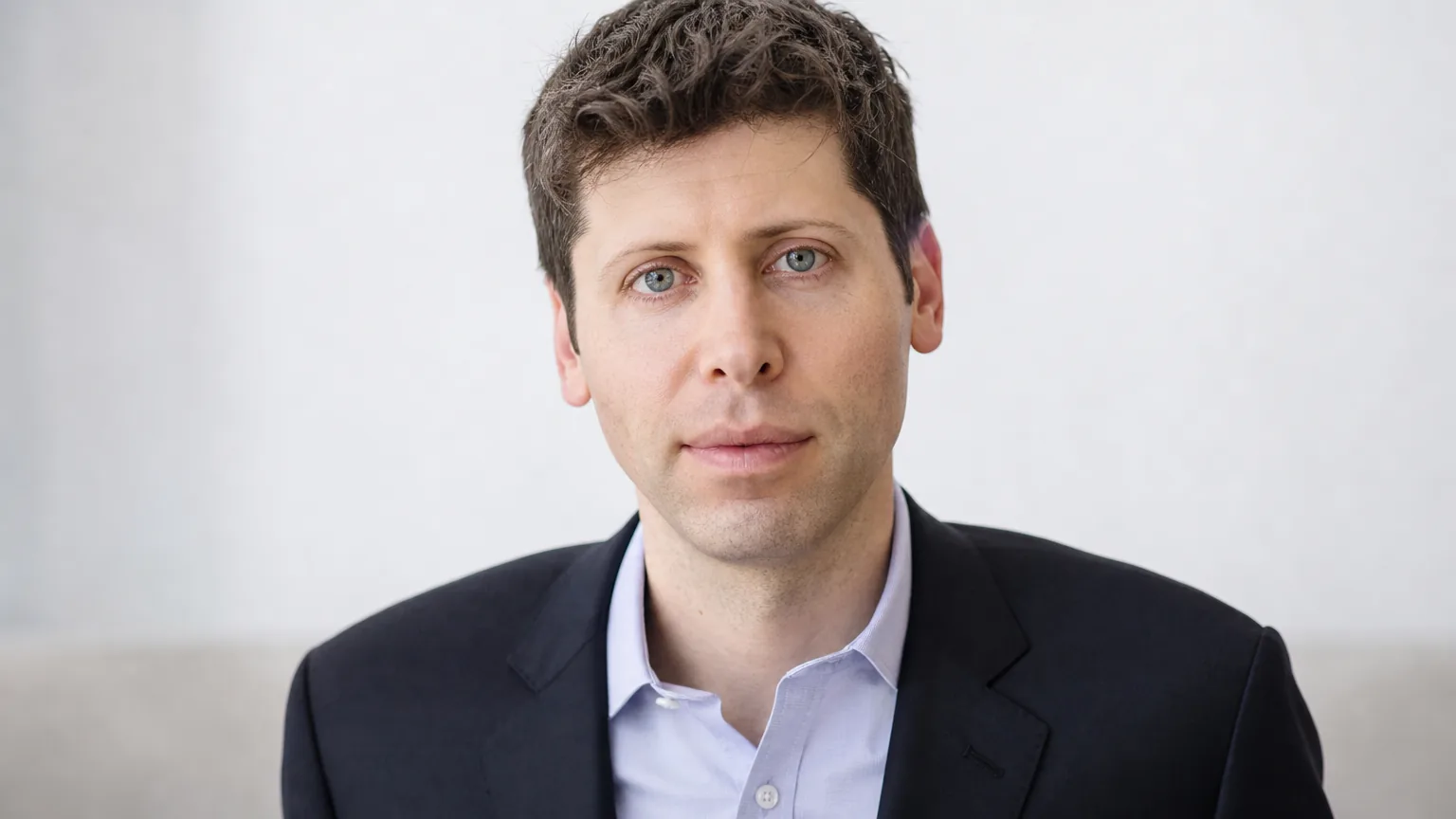
OpenAI CEO Sam Altman spent election night defending his position on PC RAM purchases, and he ended it with a new name. In response to a follower's suggestion, he changed his display name on X to 'Ram Altman' on November 4, 2026, after his earlier comments about consumer DRAM sparked a days-long backlash across social media.
The controversy began with an interview on John Collison's Cheeky Pint podcast, where Altman argued that the world's limited supply of DRAM is better used in data centers than sitting in personal computers. The full quote, as carried by IGN: 'From a global allocation perspective, actually, it's quite terrible to have everybody have a bunch of the world's limited supply of DRAM sitting in their own computer, and being used 5% of the time. Like, you want maximum utilization in the cloud if you're trying to deal with this very supply constrained environment.'
The comments were widely ridiculed. Social media flooded with posts, images, and videos of people slamming Altman for the suggestion, with many interpreting him as wanting to divert consumer memory to AI companies. Even tech rival Elon Musk joined the backlash with a meme, posting 'The people deserve to have their RAM too!' on November 1.
The walkback
In a series of posts on X, Altman expressed frustration at the response, insisted his comments had been taken out of context, and joked about the situation by renaming his account to 'Ram Altman' at the suggestion of a follower. As The Verge reported, he wrote: 'i actually do want the world to have tons of memory and people to put as much as they want in their computers, and it is fucking annoying that this was taken out of context. i have been arguing for the world to ramp up memory production for a long time.'
He replied to another comment, saying 'i want you to have so much ram lets build more.' IGN noted that Altman is not denying he believes RAM would be better served in data centers, but arguing there is enough RAM to go around.
The response to the response was, predictably, more memes and dunks, particularly from the PC gaming community. Altman also issued a separate statement that IGN reported some read as a response to the Democrats' victory in the midterm elections: 'People should always be in control of the future.' He continued: 'OpenAI is against the notion that it would be acceptable for people to be relegated to a role of doing things that 'AI systems think makes sense to reward in humans.' People should not cede control of the future to superintelligence, and that requirement should ultimately constrain AI progress.'
The DRAM shortage is real
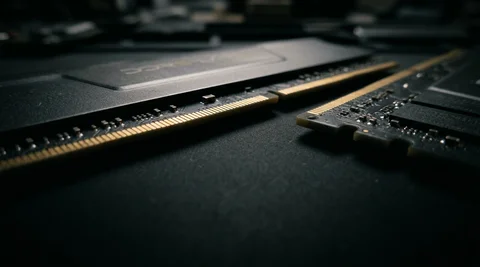
Behind the drama is a genuine supply constraint. AI data centers have been snapping up the world's RAM supply, driving shortages that are leading to tech price hikes, as The Verge reported. The RAM shortage might not let up anytime soon either: Intel is expecting it to last through at least next year, and SK Hynix predicted it could drag on until 2030.
The market consequences are visible to consumers. Gizmodo reported that RAM prices have skyrocketed to 'a floor of $450 for 32GB of DDR5 SDRAM,' in large part due to data center expansions that companies like OpenAI are planning on a staggering scale, with OpenAI alone planning to spend $750 billion on infrastructure by 2030. Gizmodo also noted that last year Altman struck deals with Samsung and SK Hynix to lock up an estimated 40% of global DRAM production.
The shortage has hit the gaming and PC hardware market directly. IGN reported that graphics cards, video game consoles, and PC components have all skyrocketed in price, with Sony, Microsoft, and Nintendo raising the prices of their consoles as a result of what it called the 'RAMpocalypse.' Meanwhile the RTX 5080 disappeared off of Nvidia's marketplace, weeks after the RTX 5090 was all but discontinued.
Data centers and the midterms
The RAM controversy landed in the middle of a bigger political fight. Voters elected overwhelming Democratic majorities to the House and Senate in the midterm elections, according to Gizmodo, with angry backlash to AI data center construction a major factor in key races. Gizmodo reported that at least 38 jurisdictions voted to ban or restrict data centers.
Data centers and their potential impact on jobs is a key issue for voters, as IGN noted. The AI boom has led to scarcity of memory to power it, which in turn has caused consumer hardware prices to climb. IGN reported that the Democrats have now taken control of U.S. Congress, which some see as a signal of a change in approach to the regulation of AI, which up to this point has been pretty much nonexistent.
Altman's original comments were made against this backdrop, and his follow-up statement about people staying in control of the future was, per IGN, taken by some as a direct response to the Democratic sweep.
What this means for AI and the PC industry
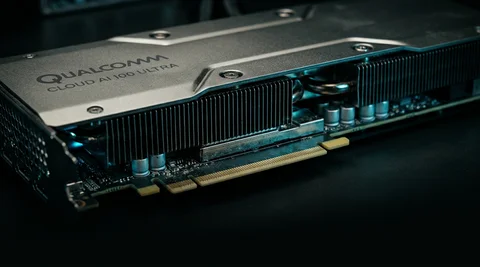
The Ram Altman episode is the highest-profile example yet of a growing tension between the AI industry's insatiable demand for compute hardware and the consumer PC market. As data center operators buy up memory and GPU supply, the prices and availability of consumer PC components are directly affected.
The core disagreement is about allocation. Altman's argument, as reported by IGN and Gizmodo, is that a DRAM chip running in a cloud data center sees far higher utilization than the same chip sitting in a desktop that is used for five percent of the day. PC users counter that local gaming, productivity, and AI inference workloads are legitimate uses that should not be priced out by data center demand.
What Altman failed to anticipate was the intensity of the reaction from PC users. The episode shows how quickly a hardware supply question becomes a culture-war issue when the public reads an AI executive as dismissing personal computing. For now, the DRAM market remains tight, prices are high, and the political pressure on AI data centers is growing. The man who said PC RAM is wasted is now walking around as Ram Altman.
Common questions
Did Sam Altman actually change his name legally to Ram Altman?
No. He changed his display name on X (formerly Twitter) to Ram Altman as a joking response to criticism. His legal name remains Sam Altman.
Did Sam Altman apologize for his PC RAM comments?
He did not explicitly apologize. He posted that his comments were taken out of context and that he actually wants people to put as much RAM as they want in their computers, which was widely interpreted as a partial walkback of his earlier remarks.
Is there actually a DRAM shortage?
Yes, according to The Verge, Gizmodo, and IGN. AI data centers have been absorbing a large share of memory production, driving prices up. Intel expects the shortage to last through at least next year, and SK Hynix has predicted it could continue until 2030.
Sources & further reading
- Sam Altman addresses RAM comments: People should 'put as much as they want in their computers' — The Verge ↗
- OpenAI Boss Sam Altman Addresses Backlash After Saying It Was 'Terrible' for People to Have RAM in Their PCs — IGN ↗
- Sam Altman: You're Completely Right About RAM. I'm Sorry for the Confusion. Here's What Happened — Gizmodo ↗
How this story was made
Written by Kristian Kostov with AI assistance and checked against the linked sources. Company performance claims are attributed to the company. Analysis reflects AiLookout’s interpretation; we have not independently tested the products discussed. The cover is an AI-generated editorial illustration, not a photograph or evidence of an actual event.
Our editorial standards