Sources checked
Board moves to oust its founder
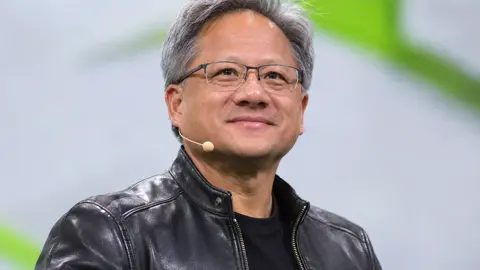
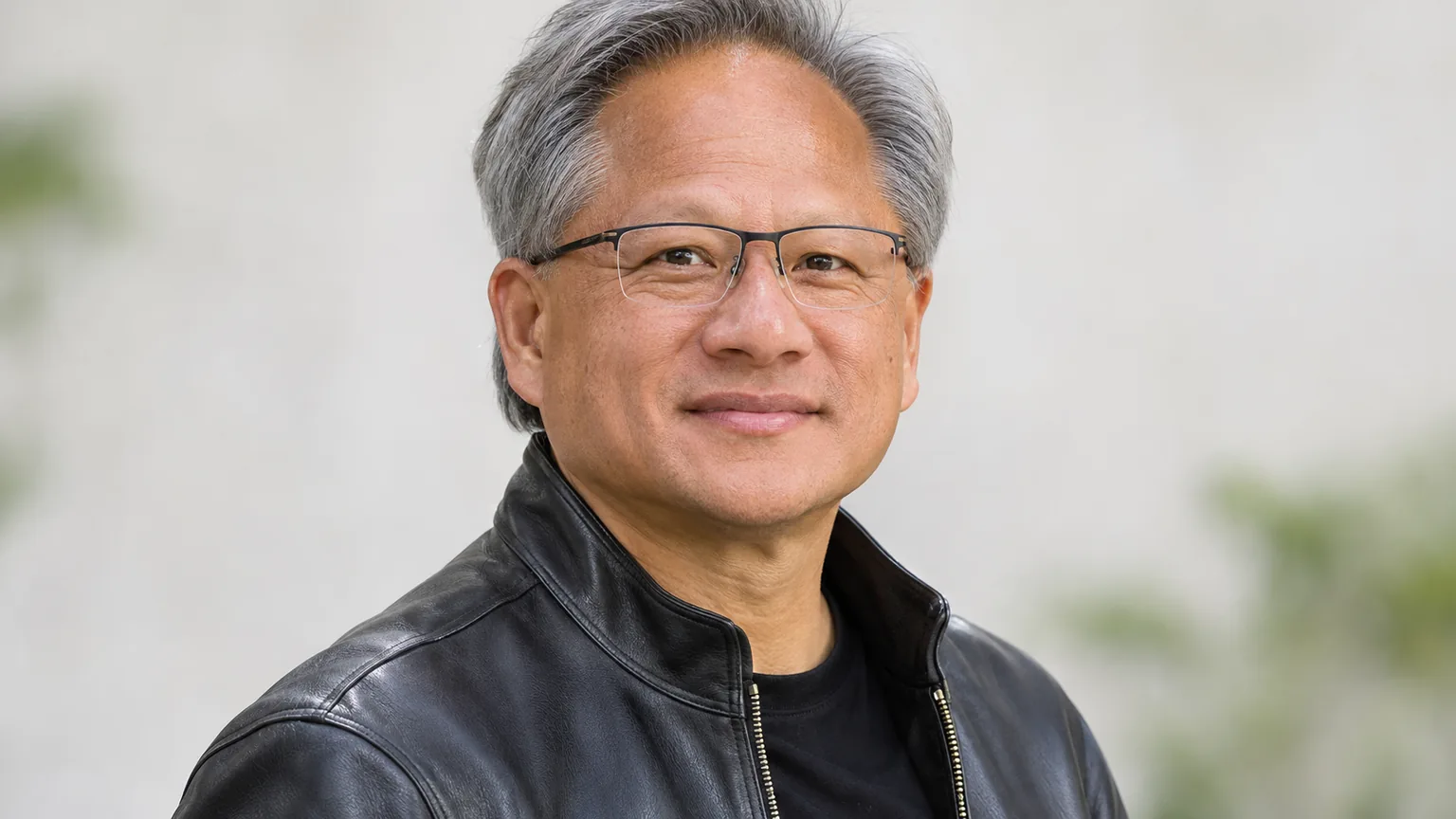
Nvidia's board of directors is preparing to dismiss co-founder and CEO Jensen Huang, who has led the company for 33 years, the Wall Street Journal reported Wednesday evening.
Sources familiar with the matter told the Journal that the board is meeting as soon as Wednesday to determine Huang's future, accelerating a process that could end the tenure of the longest-serving CEO in the semiconductor industry.
The move marks a stunning fall for an executive who turned Nvidia from a graphics card maker into a $3 trillion company at the center of the AI revolution.
Huang has been the public face of Nvidia since its founding in 1993, personally driving the company's pivot to AI accelerators that made its GPUs indispensable for training large language models.
The board's decision to consider his removal, rather than wait for the results of an internal investigation, signals that the crisis has eroded confidence in his ability to lead.
The scandal that brought down a CEO
The chain of events began on Sunday, when Huang admitted to having an extramarital affair with a woman whom US intelligence has identified as a potential Chinese intelligence asset.
The woman, an executive at Megaspeed, an Nvidia customer, was reportedly the subject of an active Department of Justice investigation into foreign influence operations targeting American technology companies.
That admission triggered immediate fallout across multiple fronts: congressional leaders threatened a subpoena over Huang's failure to attend a scheduled intelligence briefing, shareholder lawsuits hit the company alleging inadequate disclosure of risk, and President Trump publicly defended Huang while the company's own board opened a probe.
Nvidia retained former US attorney Joon H. Kim and his firm, Wachtell, Lipton, Rosen and Katz, to conduct an independent investigation, according to TechCrunch.
The dual track of a criminal investigation by the DOJ and a corporate governance probe by the board created a legal and reputational pressure that had no obvious exit short of Huang's departure.
A second affair with a direct report
The crisis deepened dramatically Wednesday evening when the New York Times reported that Huang also had an affair with Kimberly Powell, Nvidia's vice president of healthcare, who reports directly to him. Both Huang and Powell are married to other people.
According to two unnamed sources cited by both the Times and the Verge, the pair were allegedly captured together at a hotel in San Jose during Nvidia's GTC developer conference in March.
The Times has not seen the video, but two sources confirmed its existence.
Rumors about a potential affair between the two had circulated at Nvidia for some time, an unnamed source told CNBC, partly because Powell does not have a health or science background yet holds a senior role overseeing Nvidia's healthcare vertical.
The second affair, involving a direct subordinate, appears to have been the tipping point for the board, which sources say is now moving to act before the internal investigation concludes.
An affair with a direct report creates clear corporate governance and sexual harassment risks that are harder for the board to overlook than a relationship with an external executive.
The market reacts
Nvidia's stock fell about 8 percent in after-hours trading on Wednesday following the reports, extending a five-day decline of roughly 11 percent that has erased tens of billions in market capitalization.
The sell-off reflects investor uncertainty about what comes next at a company that has been defined by its founder's vision.
Huang's famously centralized management style means he has about 60 direct reports, according to his own statements, and the company has never developed an obvious succession plan or groomed a clear internal successor.
The board's decision would create an unprecedented leadership vacuum at the center of the AI hardware industry, where Nvidia controls an estimated 80 percent of the market for AI training chips.
Competitors including AMD and startups like Groq and Cerebras have been positioning to capture market share, and a leadership crisis could accelerate defections among key engineering talent.
What comes next for Nvidia
Last year, Huang hired crisis communications firm Heller, known for handling public sex scandals, according to Wired. The firm's founder has advised figures including former congressman Anthony Weiner and writer Jeffrey Toobin through periods of intense public scrutiny.
Heller did not immediately respond to a request for comment from the Verge. But today's reports suggest the board is acting faster than the crisis response team anticipated.
Nvidia has not commented publicly on the Journal report. The board's meeting Wednesday is expected to produce a decision that will reshape the company's leadership, potentially installing an interim CEO while directors conduct a formal search.
The question hanging over the boardroom is whether Nvidia's extraordinary market position is a product of Huang's singular vision or a foundation that can survive and grow under new management.
Analysts will be watching for signs of executive departure, customer defections, and whether Nvidia's relationships with the hyperscalers that buy its chips in bulk are affected by the leadership vacuum.
A cautionary tale for founder-led AI companies
The Nvidia saga is a reminder that the governance structures of the world's most valuable AI companies rest on a handful of founder-CEOs whose personal conduct can upend market expectations overnight.
OpenAI's Sam Altman, Meta's Mark Zuckerberg, Tesla's Elon Musk, and Google's Sundar Pichai all hold similarly concentrated power in companies where their personal brands are inseparable from corporate identity.
The speed with which Nvidia's board moved from investigation to removal discussions sets a new precedent for how corporate boards respond when the personal behavior of a founder threatens the enterprise.
Whether the board follows through or backs down, the message to every founder-CEO in the AI industry is clear: the board's tolerance for personal risk that touches national security has its limits.
The speed of events this week suggests that investors who have assigned a governance premium to founder-led AI companies may need to reconsider their assumptions about how long those founders will be around.
Common questions
Why is Nvidia's board preparing to oust Jensen Huang?
The board is acting after reports of two extramarital affairs, one with an executive who reports to him and one with a woman tied to Chinese intelligence.
When will the board decide Huang's fate?
The board is meeting as soon as Wednesday, November 11, 2026, to determine whether to proceed with removing him as CEO.
How has the stock market reacted?
Nvidia shares fell about 8 percent in after-hours trading on Wednesday, extending a five-day decline of roughly 11 percent.
Sources & further reading
How this story was made
Written by Kristian Kostov with AI assistance and checked against the linked sources. Company performance claims are attributed to the company. Analysis reflects AiLookout’s interpretation; we have not independently tested the products discussed. The cover is an AI-generated editorial illustration, not a photograph or evidence of an actual event.
Our editorial standards