Announced 30 Oct 2026 · Sources checked
The hearing
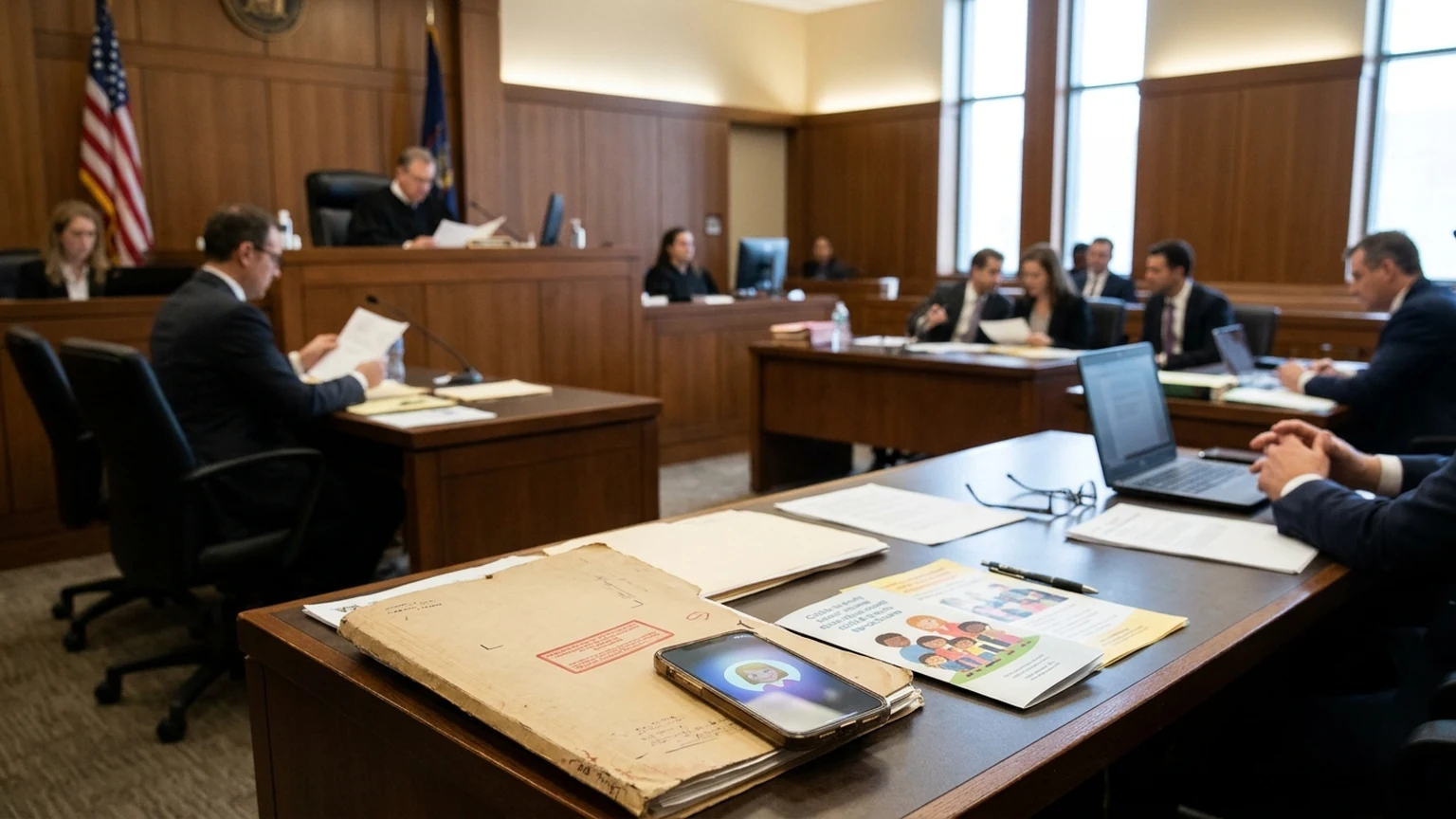
US Bankruptcy Judge Brendan Shannon held a hearing on 30 October in Delaware federal court regarding Character Technologies' plan to license some of its AI technology to Walt Disney Co as part of its Chapter 11 proceedings. The judge stopped short of requiring the company to obtain a consumer privacy ombudsman, but he 'strongly encouraged' the company to hire one — an independent expert to assess whether the AI platform is harmful to children.
Attorneys general from 39 states and the District of Columbia had filed a joinder adopting the US Trustee's objection to the sale procedures, and advancing their own request for an ombudsman. The filing described approximately 12 million active or past users of the Character.AI platform, including minors, and noted that several states have investigations concerning consumer protection and privacy violations.
The Disney deal
Character Technologies — the company behind Character.AI, a platform where users create and interact with AI-powered character chatbots — is pursuing a sale of some of its technology to Disney as part of its bankruptcy exit. The deal would transfer the AI capabilities to one of the world's largest children's entertainment brands, raising the stakes for child safety oversight.
The judge's concern is that the platform's history of interactions with minors and the lawsuits and state investigations over privacy violations require independent evaluation before the technology changes hands. He linked the ombudsman question directly to the concerns raised by the attorneys general over the company's data protection practices.
The broader context
Character.AI has faced escalating privacy scrutiny since 2024-2025, when reports emerged of the platform exposing minors to harmful conversations and failing to adequately safeguard user data. Multiple states launched investigations, and the company filed for Chapter 11 bankruptcy protection in 2026.
The Disney deal is an attempt to salvage value from the company's technology for creditors. But the court is signaling that AI licensing deals involving children's safety cannot proceed without independent privacy oversight — a precedent that could affect other AI bankruptcy sales where user data and safety are at stake.
Caveats
The judge did not order the ombudsman; he strongly encouraged it, leaving the decision to the company. Whether Character Technologies actually hires one will depend on negotiations with creditors and the states. The Disney deal's terms have not been publicly disclosed.
AI Lookout covered the Bloomberg Law and AI Affairs reporting on the hearing; it did not review the joinder or court filings.
Why the ombudsman matters
A privacy ombudsman in a bankruptcy proceeding is an independent expert who evaluates the impact of a proposed asset sale or data transfer on consumer privacy. In this case, the ombudsman would examine whether the transfer of Character.AI's technology — including the models trained on user conversations — to Disney would violate the privacy commitments the company made to its users, particularly minors.
39 states and the District of Columbia filed objections arguing that the sale should not proceed without such oversight. The judge's strong encouragement suggests he agrees with the need but is reluctant to issue a binding order without a formal motion and evidentiary hearing. The practical effect is that Character Technologies must hire an ombudsman or risk the judge blocking the deal.
Implications for AI licensing
The case sets a precedent for AI industry bankruptcy sales: when a company built on user data — especially data from minors — tries to sell or license its technology, the court may require independent privacy oversight regardless of the company's willingness to proceed without it.
For Disney, the deal is a way to acquire AI chatbot technology for its entertainment properties. For the broader AI industry, the case is a reminder that the data used to train models does not lose its regulatory and ethical encumbrances when a company files for bankruptcy. The Character.AI-Disney deal — if it proceeds with the ombudsman's approval — will be watched closely as a template for distressed AI asset sales.
The states' argument
The 39-state coalition argued that Character Technologies has a history of collecting and processing data from minors without adequate safeguards. The platform allowed users — including children — to create chatbots and interact with them without meaningful age verification or parental consent mechanisms. The states said any transfer of the technology must account for the already-captured user data and the ongoing privacy risks.
The joinder cited the company's own data that approximately 12 million users have interacted with the platform. The states argued that a sale or license to Disney — a company whose primary audience is children — would magnify the risks rather than resolve them, because Disney could expand the platform's reach without necessarily remedying the underlying privacy deficiencies.
The judge's response — strong encouragement without an order — gives the company room to negotiate with the states on the scope of the ombudsman's role, but makes clear that the court expects action.
Common questions
What is Character Technologies?
The company behind Character.AI, a chatbot platform. It is in Chapter 11 bankruptcy and seeking to license technology to Disney.
What did the judge do?
Strongly encouraged hiring a privacy ombudsman to assess child safety, but stopped short of ordering one.
How many states objected?
39 states and DC filed objections seeking privacy oversight.
Sources & further reading
How this story was made
Written by Kristian Kostov with AI assistance and checked against the linked sources. Company performance claims are attributed to the company. Analysis reflects AiLookout’s interpretation; we have not independently tested the products discussed. The cover is an AI-generated editorial illustration, not a photograph or evidence of an actual event.
Our editorial standards