Announced 21 Oct 2026 · Sources checked
What Tesla said on the call
Tesla used its third-quarter 2026 earnings call on 21 October to put new dates on its driverless plans. Ashok Elluswamy, the vice president who leads Tesla's AI software, said the two-seat Cybercab will start carrying riders in Dallas next month, the first city after Austin. "There's no fundamental reason that we are limited to Austin. In fact, next month we'll be launching in Dallas, and then the same software just scaled to lots of other cities, along with the Model Y Robotaxis," he said, according to the call transcript.
He also gave the first concrete window for a promise Tesla has made for years: letting owners add their own cars to its robotaxi network. "We suspect somewhere around Q2 next year is when we can turn on some of the first customer vehicles to be part of the Robotaxi fleet," Elluswamy said. Vehicle engineering vice president Lars Moravy said Tesla is trying to deliver the first Cybercabs to buyers by the end of 2026, and Elon Musk said Optimus, Tesla's humanoid robot, should get the company's next AI chip in about April 2027.
The call followed Tesla's Q3 2026 shareholder update, filed with the US Securities and Exchange Commission. Financially, the quarter was mixed. CNBC reported that Tesla beat analysts' estimates on earnings and revenue even as automotive revenue fell 3% from a year earlier, which Tesla blamed on lower average prices and limited battery supply. Most of the attention, though, was on autonomy and robots.
Where the Cybercab stands today
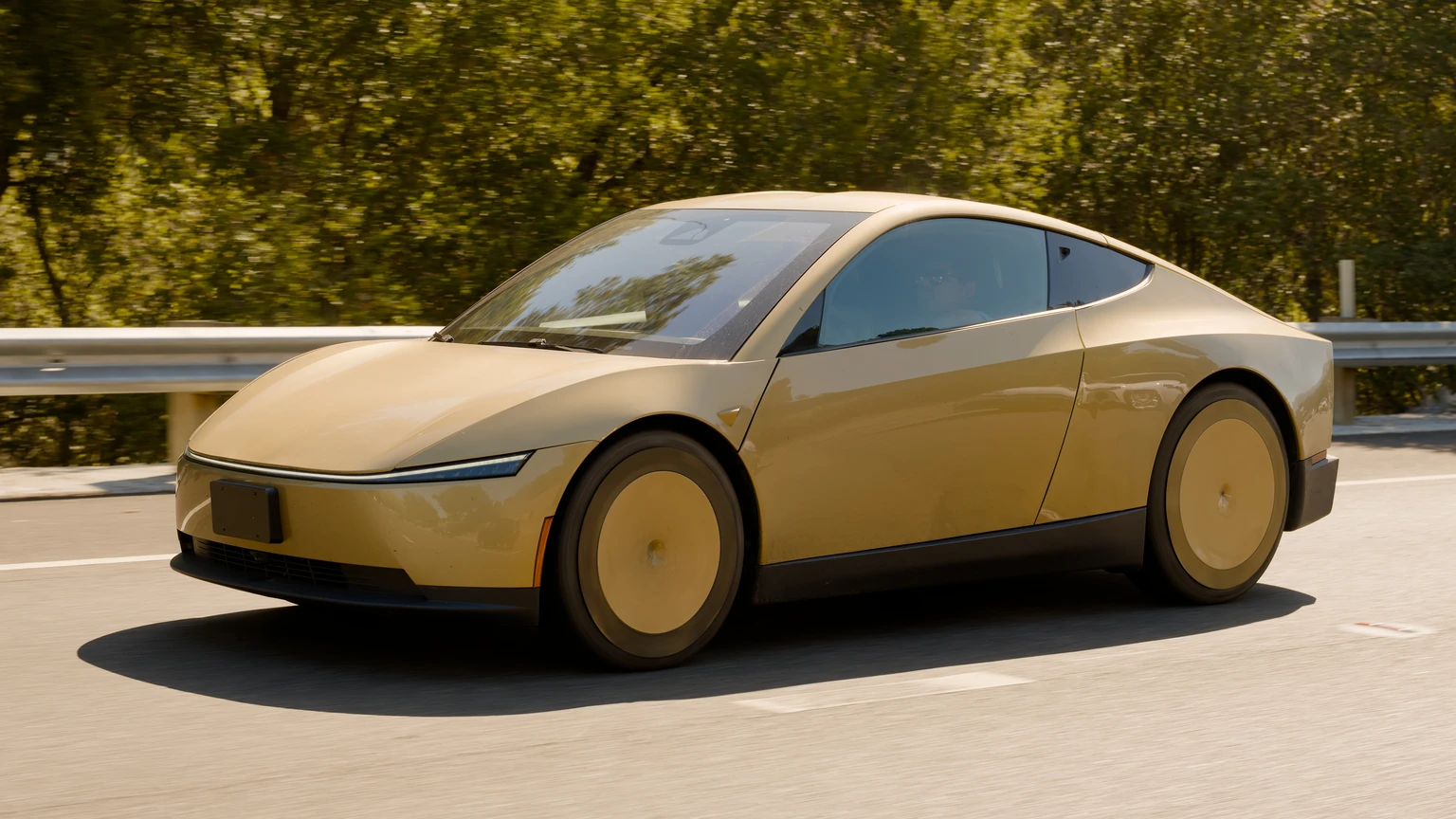
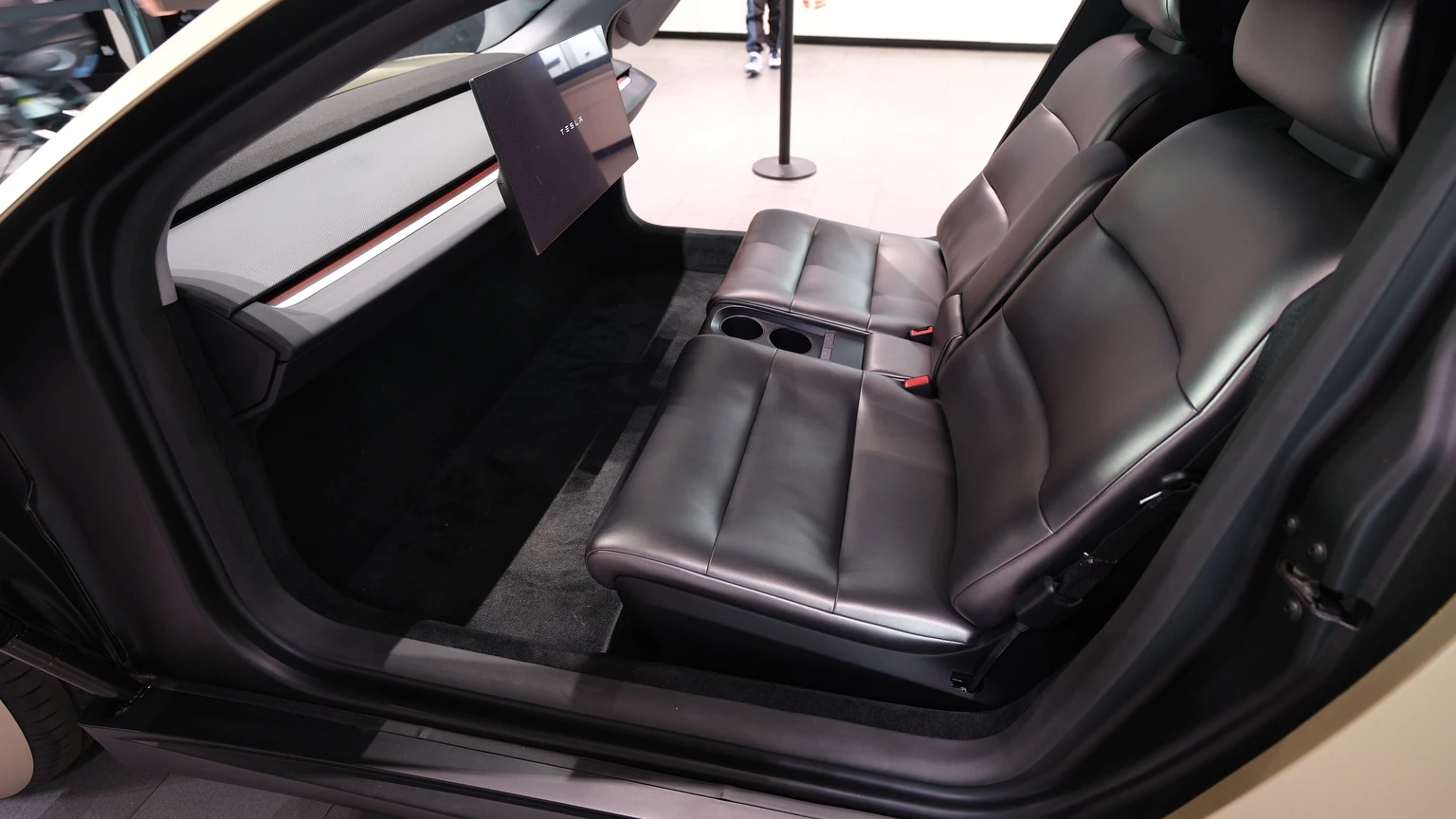
The shareholder update says Tesla "started providing Robotaxi rides using Cybercabs on September 3 in Austin." The Cybercab is a purpose-built robotaxi with two seats and no steering wheel or pedals, and Tesla's manufacturing table lists more than 125,000 units of annual Cybercab capacity in Texas, now in production. On the call, Musk said the Austin Cybercab fleet "has grown by a factor of 10 since launch about a month ago." Tesla has not said how many cars that is.
The update reports "nearly two million cumulative unsupervised miles" for the Robotaxi service at the end of the quarter, and says unsupervised miles grew eightfold from the previous quarter. Operating hours in Austin now run from 6am to midnight. The deck also says xAI's Grok assistant is available in the Cybercab, so riders can manage email, calendars and files by voice.
Dallas is not new territory for Tesla's driverless service. TeslaNorth reports that Model Y robotaxis have run there since April, and that Tesla's new Robotaxi safety report lists 608,130 miles in Dallas with no safety monitor on board as of 18 October, second only to Austin. What changes next month is the vehicle. Elluswamy said the Cybercab learned mostly from data collected by Model Y and Model 3 cars, so it did not need its own huge fleet to train. CFO Vaibhav Taneja said the company plans to bring the Cybercab to "some other cities before the end of this year" but did not name them.
Customer cars in the robotaxi fleet
Elluswamy said the software running Cybercab and Model Y robotaxis is the same, and that Tesla will release it to customers as part of its version 15 Full Self-Driving update. The remaining requirement, he said, is to make sure customer cars "can be part of the geo-fences and the fleet management that Tesla has" before they run fully driverless. Q2 2027 is when he expects the first owners' cars to join.
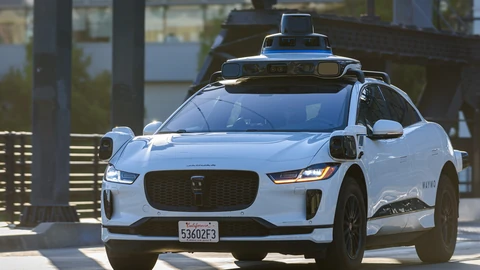
The idea of owners earning money from their cars while they sit idle is old. The Verge points out that Musk promised a Tesla network of customer-owned robotaxis in 2019, and argues the new date "could easily become just another deadline that quietly slips by." Waymo, by contrast, runs a company-owned fleet and maps cities long before it opens them, as with its plan for Toronto, where public rides are planned for 2028.
If Tesla does open its network to owners, it changes the economics of robotaxis. The car's buyer pays for the vehicle, and Tesla runs the dispatch, pricing and fleet operations. That would let the fleet grow far faster than Tesla could build and finance cars itself, but it also raises questions the call did not answer: who is liable in a crash, how cars are cleaned and inspected between rides, and how revenue would be shared.
Who will own a Cybercab
Moravy said that every Cybercab built on the Texas line so far has gone into Tesla's own fleet. "In short, we are trying to get Cybercabs to customers by the end of this year, 2026," he said. Musk narrowed what that means. "Cybercab is primarily going to be something that is offered as transport as a service," he said. "The vast majority of the Cybercab stuff will be essentially Tesla-owned." Cars people want to own, he said, are the Model 3, Model Y and the new Roadster.
On costs, Taneja said Tesla is not yet at its target of 30 cents per mile for robotaxi rides but sees a path there as utilization rises and the company learns how to handle pick-ups, drop-offs and cleaning. He did not give a current cost figure. A regulator's question also hangs over the expansion: the first shareholder question read on the call asked about the path outside Texas "given NHTSA's open safety review" of the Cybercab. Elluswamy answered on technology and scaling rather than on the review itself.
Tesla is not the only carmaker leaning on AI for driving this autumn. Mercedes-Benz recently expanded its automated-driving work with NVIDIA, a different route to automation from Tesla's bet on a car with no driver controls at all.
Optimus and the AI5 chip
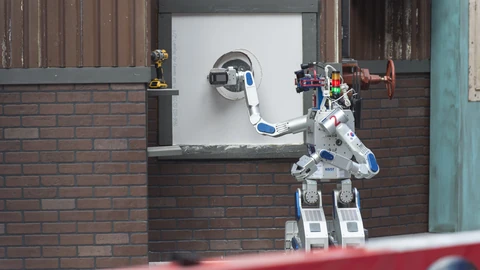
The shareholder update says Optimus production has begun on a high-volume line in Fremont and that Tesla has "proven that the current manufacturing process for Optimus is suitable for a commercial product." On the call, Musk was more cautious about speed. He said "the vast majority of a million unit per line production line" has been installed in Fremont, but that reaching that rate, about 20,000 robots a week, will take "at least a year, maybe a little longer" because parts of the design, especially the hand, are still changing.
The next technical step is Tesla's AI5 chip. Musk said integrating it into Optimus should happen in "approximately April of next year" if things go to plan, and that AI5 offers "an order of magnitude more compute" than the AI4 chip in Tesla's cars today. He argued a humanoid needs that because it has far more joints to control than a car has to steer. He also said he wants to publish a new Optimus video within "a month or 2" showing the robot "doing things that are not pre-programmed."
Musk said the first paying customers would likely be industrial: "dangerous repetitive tasks, things that people really don't want to do," about a year from now. To get enough training data, he said Tesla needs to build on the order of 10,000 to 20,000 robots and let them practise in an "Optimus Academy." Others are moving on similar factory uses, from South Korea's 20-robot humanoid sandbox to Agile Robots' reference humanoid.
Why Tesla's timelines need caution
Everything announced on the call is a plan, not a delivered service. Tesla has a long record of missing its own autonomy dates, and executives hedged several of these. Elluswamy said "we suspect" for the Q2 2027 owner window, and Musk said "if things go according to plan" for AI5 in Optimus. The Dallas launch is the nearest and most concrete promise, and the easiest to check in a few weeks.
The safety numbers are also Tesla's own. The mileage figures come from the shareholder update and Tesla's Robotaxi safety report, and independent regulators have not published comparable data. Miles driven without a monitor say little on their own about how safely they were driven; crash rates per mile, the conditions driven in, and remote help from human operators all matter, and Tesla has not detailed them on the call.
Finally, the call left out key operating details. Tesla did not say how many Cybercabs are in service, which other cities are next, what a Cybercab will cost a buyer or how revenue would be split with owners whose cars join the fleet.
What to watch next
The first test is whether Cybercab rides start in Dallas in November as promised, and whether a second city follows before the end of the year as Taneja said. After that, watch for the version 15 Full Self-Driving release, the first Cybercab delivered to a private buyer, and any update to NHTSA's review of the vehicle.
For Optimus, the promised video of unscripted work in the next month or two and the AI5 integration next spring are the milestones Musk set himself. Tesla's own target for outside customers is roughly a year away.
Common questions
When does the Tesla Cybercab launch in Dallas?
Tesla said on 21 October 2026 that it will launch Cybercab rides in Dallas next month, meaning November 2026. Model Y robotaxis already operate there.
Can I add my Tesla to the robotaxi fleet?
Not yet. Tesla's AI software chief said the first customer cars could join around the second quarter of 2027, once owners' cars can use Tesla's geofences and fleet management.
Can I buy a Cybercab?
Tesla says it is trying to deliver the first Cybercabs to buyers by the end of 2026, but Musk said the vast majority will stay in Tesla's own fleet. No price was given on the call.
Sources & further reading
How this story was made
Written by Kristian Kostov with AI assistance and checked against the linked sources. Company performance claims are attributed to the company. Analysis reflects AiLookout’s interpretation; we have not independently tested the products discussed. Cover photography is illustrative and does not depict the specific announcement or product.
Our editorial standards