Announced 16 Oct 2026 · Sources checked
What Waymo announced
Waymo, the Alphabet-owned self-driving company, said on 16 October 2026 that it is coming to Canada. In a post on its blog, the company said it is laying the groundwork for a fully autonomous ride-hailing service in Toronto, with the goal of carrying its first riders in 2028. Toronto would be its first Canadian city.
The first step is modest. In the coming days, Waymo says, its cars will appear on Toronto streets driven by people, not by software. That manual phase is used to build high-definition maps of the street network and to collect data on local traffic, before any testing with the automated system engaged, and that testing will start with trained autonomous specialists behind the wheel.
Co-CEO Tekedra Mawakana called the move an important milestone in Waymo's global journey and described Toronto as one of the world's great cities. The company paired the announcement with a fleet partner, Toronto-headquartered Element Fleet Management, and a list of local accessibility groups it says it is already working with.
What the Ontario permit allows
Waymo's Toronto information page says it has been approved to take part in Ontario's Automated Vehicle Pilot Program and has received an official provincial permit from the Ministry of Transportation to begin manual driving and testing. It also says plainly that it is not yet offering commercial rides and will need further permits for each later phase.
According to CBC News, the provincial pilot program launched ten years ago and originally required a driver in the seat; Ontario changed that in 2019 to allow driverless vehicles under certain conditions. Toronto Mayor Olivia Chow told CBC that the legislation permitting the cars is provincial and does not involve the city, and that her main concern is making sure the vehicles are held to the highest safety standards.
So the permit Waymo holds today covers mapping and supervised testing. Driverless operation and paid rides are separate approvals that have not been granted, which is why both Waymo and its critics frame 2028 as a target rather than a date.
How the rollout is supposed to work
Waymo's FAQ lists the first neighbourhoods where it will map and validate its system, including St. Lawrence Market, Harbourfront, Roncesvalles Village, Parkdale, Liberty Village, Don Mills, Yorkdale, Leaside, East York, Summerhill, Yonge and Eglinton, Weston, Mimico and Etobicoke. It says its testing typically runs 24 hours a day, seven days a week, so the system sees the city at all hours and in all conditions.
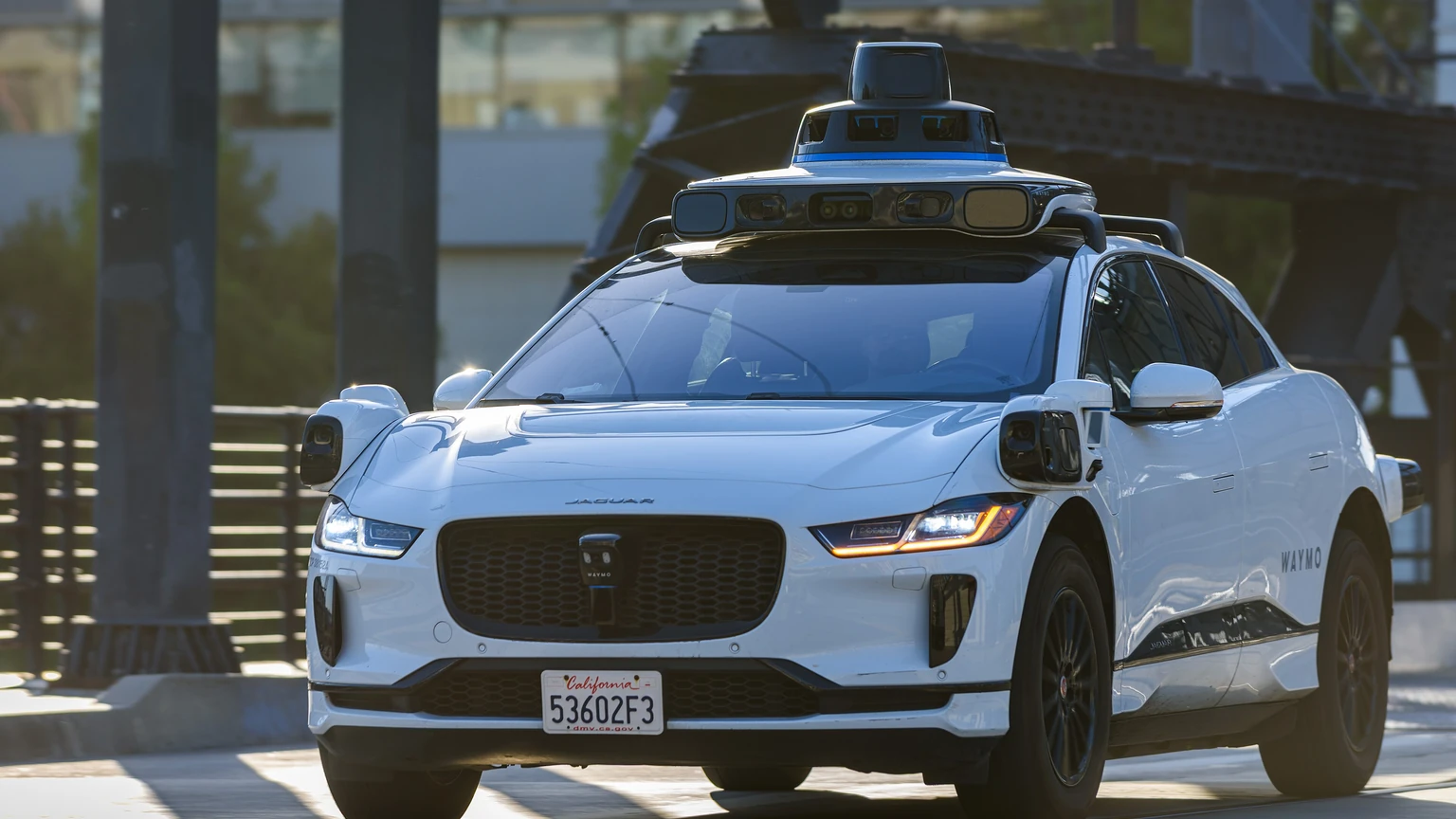
The company says it will begin with a limited number of all-electric Jaguar I-PACE vehicles and scale gradually, without giving a fleet size. When service opens, riders are meant to hail cars from the Waymo app. The specialists in the driver's seat during testing are described as local professionals with driving or vehicle-operations backgrounds plus training in troubleshooting the automated system.
Element Fleet Management will provide end-to-end fleet management, and Waymo says the two companies will add hundreds of roles over time in fleet maintenance, validation driving, customer service and operations. Waymo also points to existing Canadian ties: the Canada Pension Plan Investment Board is a long-term investor, and Magna International is its manufacturing partner. Element CEO Laura Dottori-Attanasio said the company is proud to expand its partnership with Waymo to bring autonomous ride-hailing to Toronto.
On safety, Waymo's blog says data from more than 400 million fully autonomous kilometres shows its system was involved in 95 per cent fewer crashes involving serious injury or worse than human drivers in the cities where it operates. Its Canada page quotes a larger running total of more than 450 million kilometres, more than 500,000 trips a week and service in 15 or more US cities. These are Waymo's own figures and comparisons, not an independent audit.
Winter is the real test
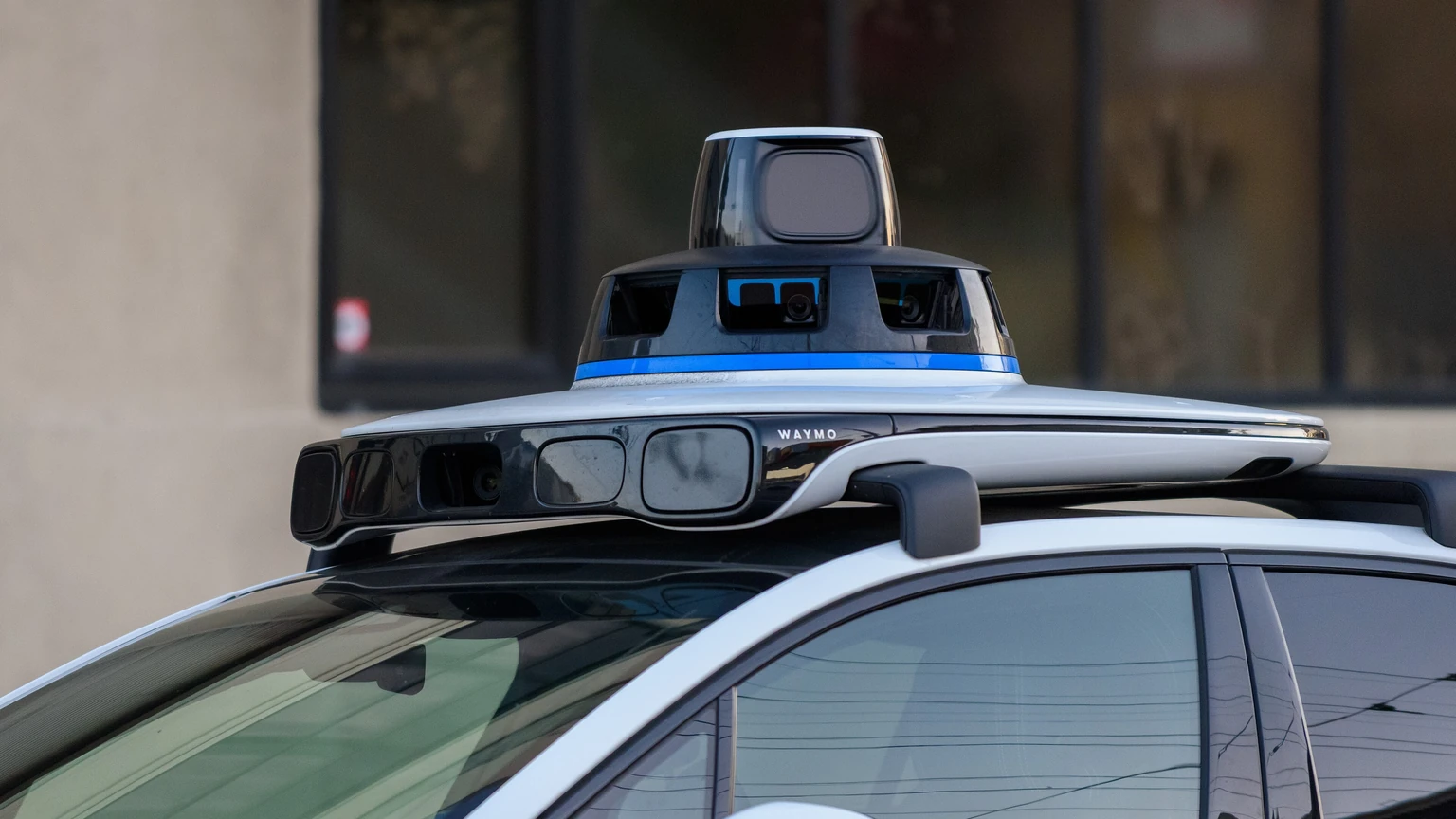
Toronto's winters are the obvious technical question. Waymo's FAQ says its sixth-generation Waymo Driver has sensor-cleaning mechanisms designed to keep it running in snowier and icier conditions, and that it already operates below freezing in US cities that get snow every year, naming Denver and Detroit. It also says it has tested for years in Upstate New York, Michigan's Upper Peninsula and the Sierra.
The company stops short of promising operation in every storm. It says some conditions should not be driven in by any driver, human or automated, and that it will follow local guidance and adjust operations during severe winter weather.
Outside experts are less certain. Sidney Givigi, a robotics and machine-learning professor at Queen's University, told CBC that all the sensors can get occluded by snow, which is something they do not have in California, and raised the case of a car trying to stop on an icy hill in a blizzard. In milder conditions he said he trusts the machine at least as much as a human, because the system does not get tired or take risks.
That gap between a validated winter fleet and a mapping fleet with people at the wheel is what the next two years of Toronto testing are meant to close, and it is the part of the plan outsiders will be able to judge only once Waymo reports how its cars handle a full Canadian winter.
Jobs, taxis and city politics
The reaction in Toronto split along familiar lines. CityNews published a statement from Laura Miller, Uber Canada's head of policy and communications, who said the future of mobility will be hybrid, with human drivers and autonomous vehicles side by side, and pointed to Uber's partnerships with more than 30 autonomous-vehicle companies, including Toronto's Waabi. She added that with driverless rides for paying passengers still at least two years away in Ontario, now is the time to set clear safety standards and prepare for the impact on workers.
Beck Taxi, which CityNews describes as Toronto's largest independent family-owned taxi operator, was blunter. In a social-media statement it said there are simply too many cars on the city's roads, framed Waymo as another billion-dollar American company ready to take ownership of Toronto's roads, and claimed that New York and Boston have decided not to allow Waymo to operate. That last point is Beck's characterisation; AI Lookout has not checked the status of either city's rules.
CBC reported that Mayor Chow's office had already told Waymo, after a meeting earlier this year, that any move toward autonomous vehicles must not put people out of work. Flavio Volpe, president of the Automotive Parts Manufacturers' Association, took the opposite view on CBC Radio, saying he wants more self-driving engineering jobs in the region and noting that General Motors already has about 1,000 autonomous-driving engineers in Oshawa.
Where Toronto fits in the robotaxi race
Toronto is not new to automated vehicles. CBC notes that Gatik began rolling out 50 autonomous box trucks for Loblaw last year, and that Magna tested self-driving delivery vehicles that, according to a letter from city staff to the province, could not make right turns on red lights and sometimes rebooted in the middle of traffic. Waymo's pitch is that a passenger service with years of US driving data is a different category from those pilots.
The move also fits a wider push to put AI systems into vehicles and physical machines. Carmakers are lining up their own automated-driving stacks, as in the Mercedes-Benz and NVIDIA partnership announced this week, while governments are writing rules for robots that work around people, such as South Korea's humanoid sandbox. Waymo is one of the few companies already running paid driverless rides at scale, which makes its first Canadian city a useful test of how that model travels.
For readers following physical AI models more broadly, the lesson is that the slow part is rarely the model. It is mapping, permits, local weather, labour politics and the long supervised phase before a car drives itself in a new city.
Limits and open questions
Waymo has not said how many cars it will bring, when supervised automated testing will begin, which permits it still needs, or what its Toronto service area will be when rides start. The 2028 goal depends on provincial approvals that have not been issued, and Ontario's rules for paid driverless service are still to be tested by an operator of this size.
The safety figures in this story come from Waymo and cover US cities with very different weather. The company's own numbers also differ between its blog and its Canada page, which most likely reflects a running total, but neither is independently verified here.
The things to watch are when Waymo moves from manual mapping to supervised automated driving, what it reports after its first Toronto winter, whether the city or province adds conditions on labour or data, and whether a firm launch date replaces the 2028 goal.
Common questions
When can I ride a Waymo in Toronto?
Not yet. Waymo says it is working toward its first Toronto riders in 2028, through the Waymo app, but driverless and paid service still need further provincial permits.
What is Waymo allowed to do in Toronto now?
Its Ontario Automated Vehicle Pilot Program permit covers manual driving and testing. Cars will first map streets with people driving, then test the automated system with trained specialists behind the wheel.
Can Waymo drive in snow?
Waymo says its sixth-generation system has sensor cleaning for snow and ice and already runs in cities such as Denver and Detroit, but it will adjust operations in severe weather. Experts say snow covering sensors remains a real concern.
Sources & further reading
How this story was made
Written by Kristian Kostov with AI assistance and checked against the linked sources. Company performance claims are attributed to the company. Analysis reflects AiLookout’s interpretation; we have not independently tested the products discussed. Cover photography is illustrative and does not depict the specific announcement or product.
Our editorial standards