Sources checked
Officials warn more outages are coming as AI strains aging infrastructure
Over the last week, Americans have faced a nationwide FAA ground stop that grounded flights, a multi-day Microsoft Outlook outage that paralyzed companies, and a banking disruption at JP Morgan Chase.
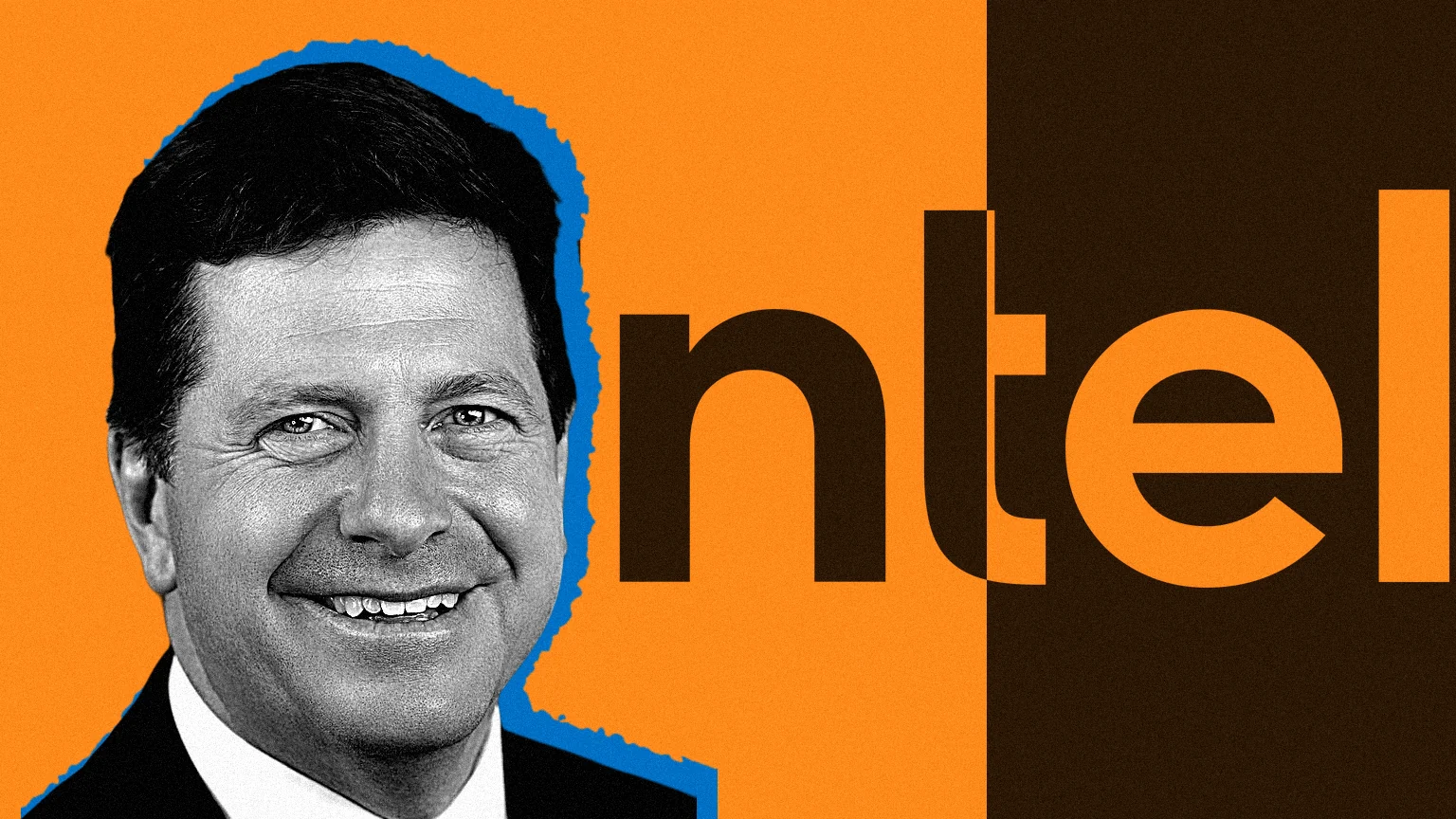
Director of National Intelligence Jay Clayton told CNN that these events are not the end of the problem.
The cascade began on November 16 when the Federal Aviation Administration issued a nationwide ground stop, grounding thousands of flights across the country for several hours. The FAA attributed the failure to a system upgrade gone wrong.
The following day, Microsoft's 365 suite went dark, taking down Outlook, Teams, and Copilot for millions of enterprise users across multiple days. Companies reported being unable to send invoices, process payroll, or communicate internally.
By November 18, JP Morgan Chase customers reported banking disruptions that prevented transactions and account access.
Each outage individually was significant, but the clustering of failures across airlines, enterprise software, and banking within the same week created a new kind of anxiety about the reliability of the digital systems that govern modern life.
The public began asking whether a coordinated attack was underway, or whether the systems that underpin modern life were simply crumbling.
'The American people should be prepared for a great deal of investment in upgrading our systems; they should be prepared for investment in cybersecurity, and they should be prepared that any time there is a step change in technology, a step change in both compute and applications, there will be bumps in the road,' Clayton said, as reported by The Verge.
Microsoft president links AI to rising outage risk
Microsoft President Brad Smith issued a separate but parallel warning to CBS, framing the risk as a structural shift rather than a temporary wave.
'I think we have to be prepared, frankly, for the coming months because this is not the type of thing that just gets done in a couple of weeks.
The whole information infrastructure of the world is in effect being upgraded right now,' Smith said.
Smith specifically connected AI to the growing vulnerability surface. While last week's outages were believed to be caused by something other than cyberattacks, Smith said AI has made it easier to discover weaknesses in systems.
'And then you can either use that knowledge to patch the code, or if you are a bad actor, you can use that knowledge to try to hack into systems,' he said.
AI as both accelerator and amplifier
The warnings from government and industry leaders point to a structural dynamic: AI is accelerating the rate at which vulnerabilities are identified, pushing systems to be patched faster than they were designed to handle.
Senator Mark Warner, the top Democrat on the Senate Intelligence Committee, framed the dynamic in a statement earlier in the week, saying AI 'is allowing vulnerabilities to be identified faster, creating pressure to fix them immediately, putting tremendous strain on systems that were not built to handle that pace of change.'
Warner called the disruptions 'a wake-up call' and said that 'it feels like every day brings another reminder that AI is moving faster than our ability to manage its consequences.'
The connection between AI and system fragility is not hypothetical.
As AI coding assistants become standard tools in software development, they enable developers to find and fix bugs faster, but they also give adversaries the same capability for finding exploitable flaws.
The net effect, as Smith framed it, is an acceleration of the vulnerability discovery lifecycle on both sides of the security equation.
Security researchers have documented a sharp increase in the number of critical vulnerabilities disclosed in 2026 compared to previous years, with several major CVEs being discovered with the help of AI-powered fuzzing and code analysis tools.
This has created a patching treadmill: as soon as one vulnerability is fixed, AI tools uncover several more in adjacent systems.
The infrastructure that runs airlines, banks, and government agencies was built over decades and was never designed to absorb fixes at this velocity.
No evidence of coordinated attack
Despite the uncanny clustering of failures, officials have consistently said there is no evidence of a coordinated cyberattack or foreign interference.
The FAA, Microsoft, and JP Morgan outages each appear to have separate technical causes, though the strain of modernizing legacy infrastructure under time pressure is a common thread.
Microsoft said its outage was 'technical' and 'not related to cyber or AI or agents,' while the FAA and JP Morgan have not publicly attributed their incidents.
What comes next
With both the US intelligence chief and the president of the world's largest software company publicly bracing the public for more disruptions, the message is clear: the November outage wave is not a one-week anomaly but the leading edge of a longer structural transition.
The upgrade of America's digital infrastructure, accelerated by AI's ability to find flaws faster than humans can fix them, is expected to produce more 'bumps in the road' in the months ahead, and the country and its businesses should start preparing for that reality now.
The economic implications are also significant. Every major outage costs affected companies millions in lost productivity, customer compensation, and brand damage.
The Microsoft outage alone is estimated to have cost enterprise customers hundreds of millions in lost work hours. If the frequency of outages increases as officials predict, these costs will compound.
For consumers, the message from Clayton and Smith is a warning to plan for continued instability.
Companies are being advised to harden their backup systems, develop manual fallback procedures, and accept that perfect uptime is not realistic during this transition period. The upgrades themselves, while necessary, create windows of vulnerability that AI-assisted attackers can exploit.
The underlying message from Washington and Redmond is the same: the era of assuming critical infrastructure will always be available is ending.
AI is rewriting that assumption, and the process of adjusting to the new reality will be neither quick nor painless.
Common questions
What did Jay Clayton say about the tech outages?
Director of National Intelligence Jay Clayton told CNN that the American people should be prepared for significant investment in upgrading systems and that any time there is a step change in technology, 'there will be bumps in the road.'
What did Microsoft President Brad Smith warn about?
Brad Smith told CBS that he expects more outages in the coming months because the entire global information infrastructure is being upgraded, and AI makes it easier for bad actors to find and exploit vulnerabilities faster than they can be patched.
What caused the recent wave of outages?
While early speculation pointed to cyberattacks or coordinated interference, officials including Sen. Mark Warner said there is no evidence of a coordinated attack.
The outages appear to result from the strain of rushing to patch aging systems as AI accelerates the discovery of vulnerabilities.
Sources & further reading
How this story was made
Written by AI Lookout with AI assistance and checked against the linked sources. Company performance claims are attributed to the company. Analysis reflects AiLookout’s interpretation; we have not independently tested the products discussed. Cover photography is illustrative and does not depict the specific announcement or product.
Our editorial standards