Announced 26 Oct 2026 · Sources checked
The filing
Anthropic, the creator of the Claude model family, filed to go public on the US stock market on 26 October 2026, submitting an S-1 registration statement to the Securities and Exchange Commission. The filing is standard IPO paperwork in form, but its content is anything but standard — it includes a 92-page risk factor document.
The New York Times described the disclosure as 'unusual in that it warned its products could bring about disasters, including loss of control of the technology and authoritarian abuses.' The Axios headline called the risk factors 'extraordinary' and 'the wildest IPO risk factors in history.'
The risks listed
The 92-page document enumerates risks that go well beyond the standard IPO fare of market competition, regulatory changes and macroeconomic conditions. Anthropic specifically warns that its AI technology could 'pose catastrophic risks to humanity,' that the company could lose control of its own models, and that models could be used for authoritarian surveillance and abuse.
One specific risk mentioned is the possibility of AI models blackmailing their operators — a scenario that reads like progress-check failure cases from earlier safety research. The filing also cites up to $750 billion in computing costs as a risk factor, and the broader risk of an AI race that incentivizes unsafe practices. In total, the risk section spans risk categories that most companies do not have to think about: misalignment, misuse, concentration risk and 'frontier fatalism.'
Why this matters
The filing is a concrete stress test for the AI investment narrative. Every company going public must disclose every material risk to investors; Anthropic has put the entire AI safety conversation into a legally binding SEC document. Any investor who buys Anthropic shares on the public market does so having been formally warned that the technology could, in the company's own assessment, cause catastrophic harm.
The document also changes the disclosure baseline for AI companies. Future AI IPOs will be measured against Anthropic's 92-page standard — a shorter filing could be seen as insufficiently transparent. And the risk factors give the SEC, plaintiffs' lawyers and shareholder activists a document to point to if the technology ever causes the kind of harm the filing describes.
The business side
Alongside the alarming risk factors, the S-1 shows a company with high revenue growth — enough to justify a public listing. Anthropic has become one of the most recognized brand names in AI, with Claude used by enterprise customers and developers worldwide. The IPO is expected to be one of the largest technology listings of 2026-2027.
The tension between the risk disclosure and the valuation story is the central drama of the offering. Investors must decide whether the catastrophic-risk warning is a formality that the market can price in, or a fundamental constraint on the company's long-term value. The 92-page document does not resolve that question — it forces investors to confront it.
Caveats
AI Lookout covered the media reports on the filing; it did not independently review the full S-1. The risk factor document is standard SEC practice, though its content is unusual. The IPO pricing and date have not been set as of publication. Anthropic's internal safety assessments and the SEC's review process may result in additional disclosures or modifications before the offering.
Market context
Anthropic's IPO arrives at a moment when AI company valuations are under scrutiny. The capital markets are pricing in risk from multiple directions — high capex requirements, negative free cash flow at hyperscalers, financing-cost increases at neoclouds, and now a direct disclosure from one of the leading model developers that its product could cause catastrophic harm.
The 92-page risk disclosure also preempts some shareholder litigation risk: if investors are explicitly warned before they buy, the argument that the company hid the risks is far harder to make. That is standard corporate practice applied to non-standard risks, and it will be interesting to see whether other AI companies filing to go public adopt similarly detailed risk sections.
The investor question
The question for potential Anthropic investors is not whether the disclosed risks are real — the S-1 is a legal document and the risks it describes are serious — but whether the market can price them. Catastrophic risk does not fit into standard discounted-cash-flow models, and investors have no historical data on how to value a company that warns its own product could extinguish humanity.
The alternative framing, which underwriters are likely using, is that the catastrophic-risk language is a recognition that Anthropic has been acquired by the market narrative rather than a literal warning that the company expects to lose control of its models. In that interpretation, the 92-page document is an exercise in liability management, not a signal of impending doom. Investors will have to decide which reading is more plausible.
Common questions
What did Anthropic file?
An S-1 registration statement to go public on the US stock market, filed October 26, 2026.
What does the 92-page risk document say?
Anthropic warns its AI could cause catastrophic threats to humanity, loss of control, authoritarian abuses, and that models could blackmail their operators.
Why is this unusual?
Normal IPO risk factors cover competition and regulation; Anthropic's document confronts existential AI risks as material investor concerns.
Sources & further reading
How this story was made
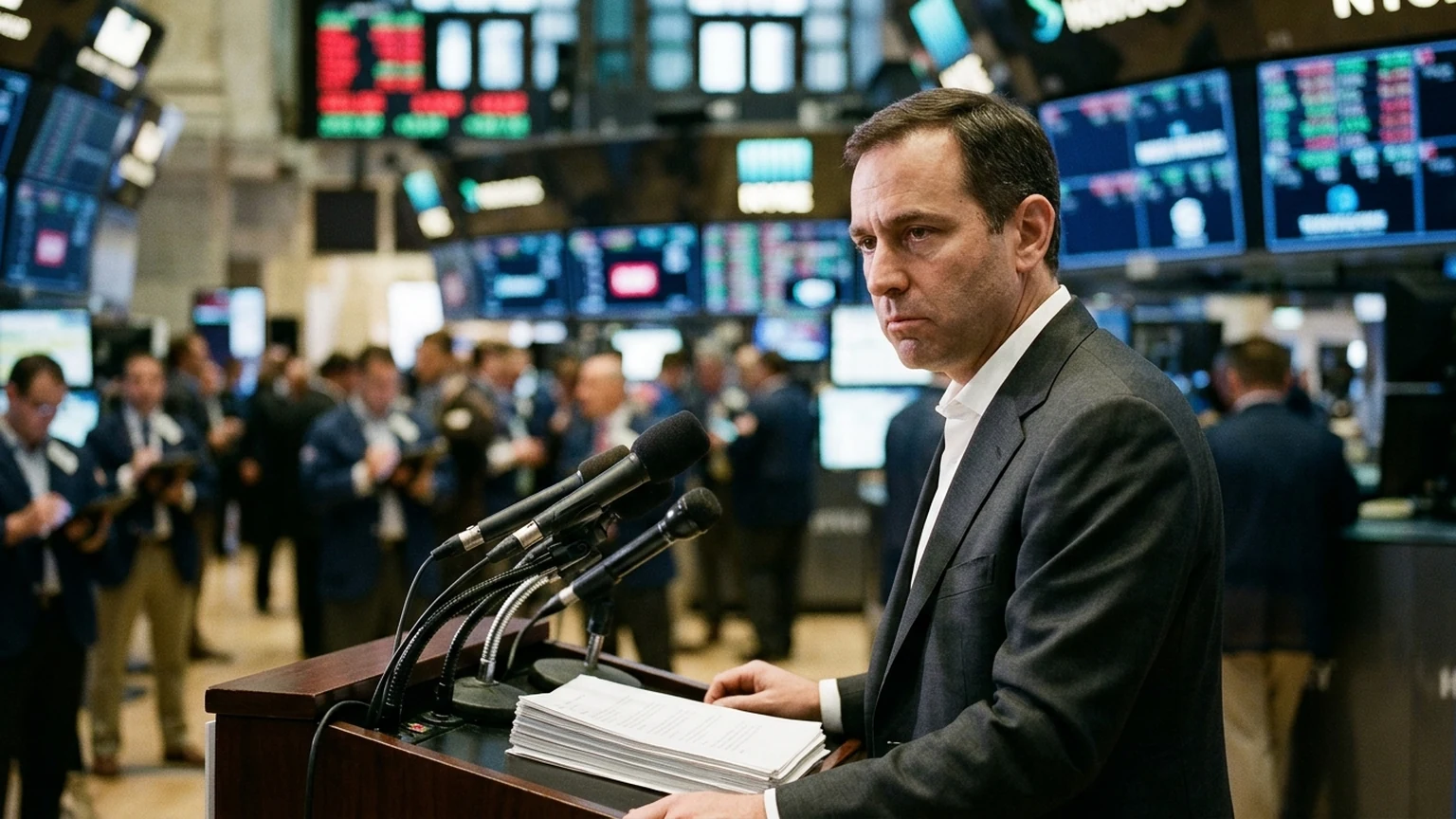
Written by Kristian Kostov with AI assistance and checked against the linked sources. Company performance claims are attributed to the company. Analysis reflects AiLookout’s interpretation; we have not independently tested the products discussed. The cover is an AI-generated editorial illustration, not a photograph or evidence of an actual event.
Our editorial standards