Announced 1 Nov 2026 · Sources checked
What OpenAI is planning
OpenAI chief global affairs officer Chris Lehane laid out the strategy in an interview with Axios published November 1. The plan, which kicks off the week after the November 5 midterm elections, has three main components.
First, OpenAI will push Congress for mandatory "speed limits" on the most capable AI systems. The company has backed voluntary safety commitments before, but Lehane made clear the post-election push targets binding regulation rather than industry self-policing. The proposal builds on OpenAI's earlier concept of capability thresholds that would trigger extra oversight, but now frames them as a legal requirement.
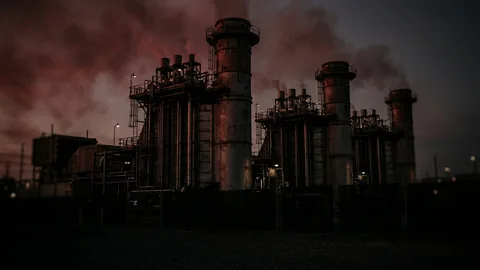
Second, OpenAI wants to rebrand its data centers as "AI compute campuses." The language shift is intended to soften public opposition to the massive construction projects by framing them as community assets rather than industrial facilities. The phrase mirrors corporate campus terminology used by technology parks and university research centers.
Third, OpenAI says it will back state legislation giving local communities direct input on data center siting and operations. The company has faced growing backlash from residents near its facilities over noise, grid strain, and environmental concerns. OpenAI's support for community-benefit agreements is a response to criticism that affected towns have no meaningful say in the buildout.
Why the timing matters
The midterms create a new Washington. Polls show Democrats favored to retake the House of Representatives, and a tighter race for the Senate. After two years of a White House that largely let AI companies self-regulate through executive orders, a Democratic-controlled House is expected to hold more aggressive hearings and push legislation.
Lehane told Axiosthe midterms are "a bit of a movie trailer for what you're going to see in 2028," when AI will be "the issue." The company wants to help frame the AI debate rather than react to whatever framework a Democratic Congress writes. OpenAI's policy play is as much about shaping the next presidential campaign as managing the next Congress.
The campaign will start in the lame-duck session beginning November 9, before the new Congress takes office in January. That gives OpenAI a brief window to build relationships with returning lawmakers before potentially hostile committee leadership takes over.
The compute campus rebrand and community concerns
Data centers have become a flashpoint in local politics. They consume enormous amounts of electricity, strain water resources, and generate noise from backup generators. In communities near OpenAI's existing facilities, residents have organized against expansion plans, citing health concerns and property value impacts.
TechCrunch notedthat data centers are "deeply unpopular" and that the rebranding alone will not address the underlying tensions. Amazon and Microsoft have already agreed to stop using non-disclosure agreements in data center negotiations with local governments, a concession OpenAI has not matched.
Lehane told Axios the conversation around data centers is "good and healthy" and that "communities should hold companies responsible and accountable so they really and truly get a transformative benefit from these projects." The compute campus label is meant to evoke a place where research, development, and community interaction happen, not just a warehouse of humming servers.
AI speed limits as strategy and wedge
The speed limit proposal gives OpenAI several advantages. It positions the company as a responsible actor willing to accept regulation, undercutting the narrative that AI labs fight any oversight. It also creates a dividing line with competitors who may resist mandatory rules.
The term "speed limits" itself is a deliberate frame: it suggests guardrails that slow nothing in normal operation but prevent runaway acceleration. The policy idea mirrors the capability thresholds OpenAI first proposed in 2023, which would trigger additional safety testing when model capabilities cross certain benchmarks.
What the speed limits would look like in practice remains undefined. Axios reports the specifics will be unveiled during the lame-duck push, coordinated with allied lawmakers and advocacy groups. OpenAI says the limits should apply across the industry, not just to its own models.
The broader context: AI and the 2026 midterms
AI has become a midterm issue beyond OpenAI's campaign. Data center construction is on the ballot indirectly through local disputes, and both parties have used AI anxiety as a campaign theme. The NAACP lawsuit over xAI's Colossus data center pollution, which a federal judge allowed to proceed on October 30, shows the legal and regulatory pressure building around AI infrastructure.
AI-generated political ads have crossed $137 million in the 2026 cycle, and candidates on both sides have had to answer for their AI positions. Democrats have generally pushed for stronger regulation; Republicans have emphasized innovation and national competitiveness.
OpenAI's preemptive positioning suggests the company sees a post-midterm Washington as more likely to regulate than to deregulate, and wants a seat at the table before the menu is written.
Common questions
When does the campaign start?
The push begins right after the November 5 midterm elections, during the lame-duck session starting November 9. Axios reports that OpenAI will unveil specific proposals then.
Will the speed limits apply to all AI companies?
OpenAI says the rules should apply across the industry, not only to its own models. The company has not detailed how limits would be enforced on open-weight models or foreign AI systems that operate in the U.S.
Has OpenAI made any community-benefit commitments yet?
Not specific ones. The company says it will back state legislation on community input, but has not announced any voluntary agreements at its existing data center sites.
Sources & further reading
How this story was made
Written by Kristian Kostov with AI assistance and checked against the linked sources. Company performance claims are attributed to the company. Analysis reflects AiLookout’s interpretation; we have not independently tested the products discussed. The cover is an AI-generated editorial illustration, not a photograph or evidence of an actual event.
Our editorial standards