Announced 31 Oct 2026 · Sources checked
What happened
On October 31, 2026, U.S. District Judge Debra M. Brown in the Northern District of Mississippi denied a motion by xAI to dismiss a Clean Air Act lawsuit filed by the NAACP. The suit, brought with representation from the Southern Environmental Law Center and Earthjustice, alleges that xAI operates at least 35 gas combustion turbines at its Colossus data center outside Memphis without required air permits. TechCrunch and CNBC both reported the ruling on October 31.
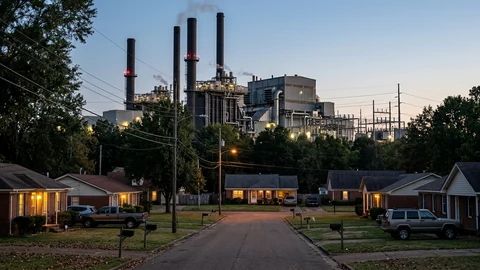
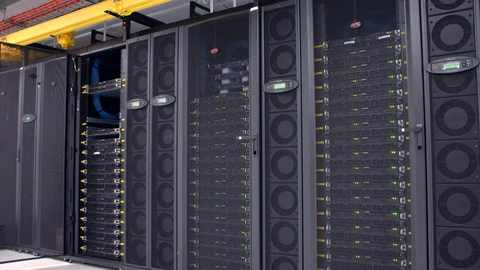
Colossus is xAI's primary AI training data center, built in Memphis in 2024 and expanded since. The NAACP and its attorneys allege the turbines — effectively a gas power plant — have run without Clean Air Act preconstruction or operating permits, producing nitrogen oxides, sulfur dioxide, and particulate emissions that fall on nearby communities, which are predominantly low-income and Black.
The case was originally filed in April 2026, and the NAACP sent a notice of intent to sue in November 2025. The earlier notice put xAI on formal notice of the alleged violations before the suit was filed, a procedural requirement under the Clean Air Act's citizen suit provision.
The DOJ attempt
This is the second time the case has survived a dismissal attempt. Earlier in October, Judge Brown rejected an unusual move by the U.S. Department of Justice to dismiss the NAACP's suit. The DOJ's intervention drew criticism because xAI is owned by SpaceX, whose founder has close ties to the administration, and the department appeared to be taking the company's side in a private citizen suit.
Earthjustice, which represents the NAACP alongside SELC, called the ruling a win for communities. SELC attorney Patrick Anderson said the court 'saw through the Department of Justice's deeply flawed arguments,' and that the decision lets communities 'hold xAI accountable for the harmful air pollution being pumped out by its illegal power plant.'
What the ruling means
Denying a motion to dismiss does not decide the merits. It means the complaint states plausible Clean Air Act claims and the case can proceed to discovery — the phase where the NAACP can request xAI's internal documents about when the turbines were installed, which permits were considered, what emissions modeling was done, and how the company communicated with regulators. This is the most critical stage of the case: discovery determines what evidence exists and whether the case is strong enough to survive xAI's next likely move, a summary judgment motion.
Discovery in Clean Air Act citizen suits typically runs for months. If the case survives summary judgment, the question at trial becomes whether xAI violated the Act's permitting requirements and what remedy — penalties, injunctive relief, or retroactive permitting — is appropriate. The NAACP is seeking a court order requiring xAI to obtain permits or shut down the turbines, as well as civil penalties for each day of operation without permits.
Why it matters for AI infrastructure
The suit is one of several legal fronts around AI data centers. Communities near large training clusters have raised concerns about noise, water, and air emissions, and the xAI case is the highest-profile Clean Air Act challenge to AI infrastructure so far. Colossus's power demand is enormous, and its gas turbines run frequently to keep GPUs fed. The facility's environmental footprint has also drawn scrutiny from local residents who report noise, vibration, and exhaust odors near the site.
The permitting question is not unique to xAI. AI data centers are racing to secure power, and gas turbines are a fast way to add capacity without waiting on grid upgrades. Across the United States, utilities and data center developers are installing combustion turbines to power AI clusters, often ahead of the air permits that federal law requires. The NAACP case tests how far that practice can go without environmental review and sets a potential precedent for communities near other AI facilities.
For the AI industry, the case is a reminder that compute expansion has physical consequences. Data center siting decisions — where turbines go, how much they emit, who lives downwind — are becoming part of the regulatory risk that AI companies carry. A company that moves fast to build capacity can find itself defending its choices in court for years afterward.
Caveats
This account relies on the TechCrunch, CNBC, AI Weekly, and Earthjustice reports of the October 31 ruling; AI Lookout did not obtain the court order itself. The exact number of turbines and the scope of the emissions allegations come from the plaintiffs' filings as reported. xAI has not publicly commented on the ruling, and the case is in its early stages — dismissal denial is not a finding of liability.
Common questions
How many turbines does xAI operate at Colossus?
The NAACP's lawsuit alleges at least 35 gas combustion turbines at the Colossus data center outside Memphis, running without Clean Air Act permits.
Did the DOJ try to stop the case?
Yes — the Justice Department filed its own dismissal attempt earlier in October, which Judge Brown also rejected, prompting criticism over the department's role in a citizen suit against an administration-linked company.
What happens next?
The case moves to discovery. The NAACP can seek xAI's internal documents about turbine installation, permitting, and emissions before any trial on the merits.
Sources & further reading
- Judge allows NAACP lawsuit over xAI data center pollution to move forward ↗
- Federal Judge Lets NAACP Clean Air Act Suit Over xAI's 35 Memphis Gas Turbines ↗
- SpaceX loses bid to toss NAACP suit over data center pollution ↗
- Court Denies xAI's Motion to Dismiss Air Pollution Lawsuit Against Elon Musk's Company ↗
How this story was made
Written by Kristian Kostov with AI assistance and checked against the linked sources. Company performance claims are attributed to the company. Analysis reflects AiLookout’s interpretation; we have not independently tested the products discussed. The cover is an AI-generated editorial illustration, not a photograph or evidence of an actual event.
Our editorial standards