Announced 31 Oct 2026 · Sources checked
What happened
The Information reported on October 31 that Meta worked with Chinese robotics company Fourier Intelligence to build a prototype humanoid robot in about three months. The prototype is internally codenamed Max and weighs roughly 106 pounds, or 48 kilograms. Reuters carried the report, noting it could not independently verify the story. Neither Meta nor Fourier has published official specifications or images.
Meta's vice president of product for robotics, Li-Chen Miller, spent nearly two months at Fourier's factory in Shanghai to oversee the build. The robot was demonstrated to some Meta employees at an internal robotics summit in late August, where it took its first steps in front of staff.
What Max can do
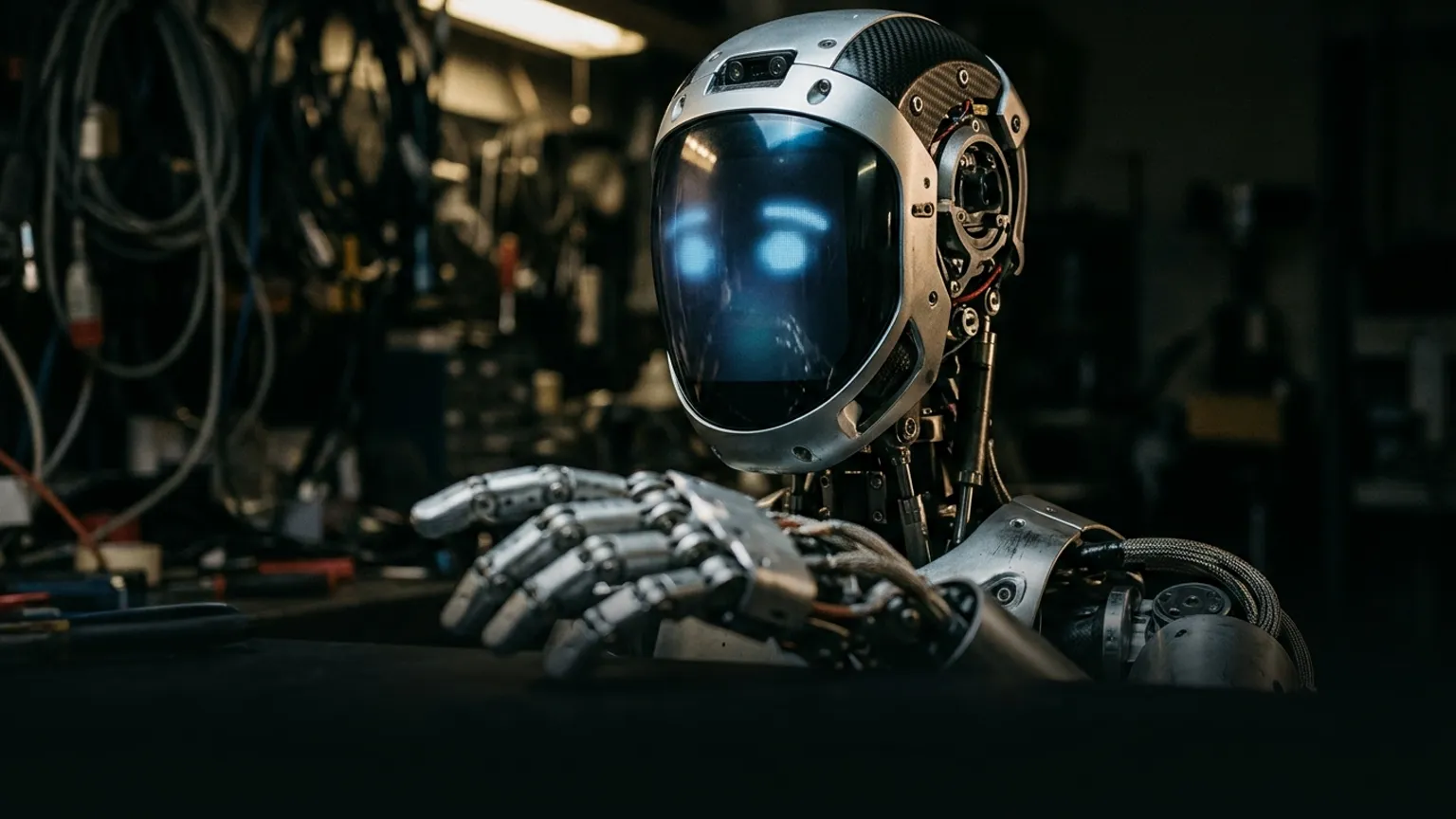
According to the report, Max stands about 1.5 meters tall and runs on Nvidia's Jetson Thor chip. It has a display capable of simulating facial expressions, built-in speakers, and five-fingered hands designed to handle small objects like bottles and toys. The robot can recognise voices from about five meters away, read hand gestures from three meters, and make eye contact.
Meta sees humanoid robots as the physical embodiment of its Muse AI agent, which the company has been positioning as an always-on personal assistant. The long-term goal is for robots to perform household tasks, though Meta said the Fourier collaboration is confined to internal research and experimentation.
Max 2 and what comes next
The two companies began developing a second prototype, Max 2, in September. The updated version is expected to feature a redesigned torso, improved hands for handling objects, a projector that can display video, and additional sensors to help it navigate stairs. The Information reports that Meta plans to develop a higher-fidelity product that could eventually be brought to market, though no launch date has been set.
The report lands the same week Nvidia agreed to invest $3 billion in Meta and expand their partnership on Muse. Nvidia's Jetson Thor chip already powers Max, and the broader collaboration signals deepening ties between the two companies as they push into physical AI and humanoid robotics.
Context
Meta's push into humanoid robotics follows a pattern of big tech companies investing in physical AI. S&P cut Meta's credit outlook to negative the same day the report emerged, citing negative free cash flow from the company's massive AI spending. Fourier Intelligence, based in Shanghai, unveiled its GR-3 humanoid care-bot in August 2025, a 165-centimeter companion robot designed for older adults.
The Information's report positions Max as the most concrete evidence yet of Meta's ambition to bring AI into the physical world, though the company has cautioned that the prototypes remain experimental and are not intended for commercial sale at this stage.
Hardware details and design choices
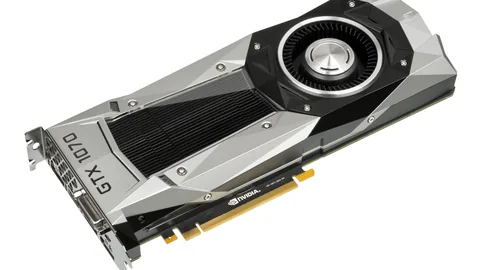
The Max prototype is built around Nvidia's Jetson Thor chip, a system-on-module designed for robotics workloads that combines a GPU, CPU, and dedicated AI accelerators on a single board. The choice of Nvidia silicon is notable given the company's recent billion investment in Meta and the expansion of their partnership on the Muse AI platform.
Meta's decision to work with Fourier, a Chinese robotics company based in Shanghai, reflects the reality that much of the world's humanoid supply chain runs through China. Fourier unveiled its GR-3 care-bot in August 2025, a 165-centimeter companion robot aimed at older adults. The GR-3 shares several design elements with Max, including a screen-based face and five-fingered hands.
Competitive landscape
Meta enters a humanoid robotics market that is already crowded with well-funded players. Tesla is developing its Optimus humanoid for factory work, with Musk claiming it could eventually outperform humans in repetitive tasks. Figure AI raised 75 million from Microsoft, OpenAI, and Nvidia at a .6 billion valuation. Boston Dynamics continues to iterate on Atlas, which can now perform fluid whole-body manipulation. Neura Robotics, a German company, recently opened the TUM Robogym in Munich and unveiled its 4NE-1 Gen 4 humanoid.
The difference with Meta's approach is the link to Muse. Where most humanoid companies build robots as standalone products, Meta sees Max as a physical extension of its AI agent software. If Muse is the brain, Max is the body. That integration could give Meta an advantage if its agent software reaches the scale of adoption the company is aiming for, but it also means the robot's value proposition depends on a software platform that is still in its early stages.
Common questions
Who built Max?
Meta collaborated with Chinese robotics company Fourier Intelligence. The prototype was built in about three months at Fourier's Shanghai factory.
Will Meta sell Max?
Meta told The Information the units are for internal research only and it has no plans to sell them, though it is developing a more refined second version.
What chip powers Max?
The robot runs on Nvidia's Jetson Thor chip, and Nvidia recently invested $3 billion in Meta as part of a broader partnership on Muse.
Sources & further reading
How this story was made
Written by Kristian Kostov with AI assistance and checked against the linked sources. Company performance claims are attributed to the company. Analysis reflects AiLookout’s interpretation; we have not independently tested the products discussed. The cover is an AI-generated editorial illustration, not a photograph or evidence of an actual event.
Our editorial standards