Announced 29 Oct 2026 · Sources checked
The tech-fashion courtship
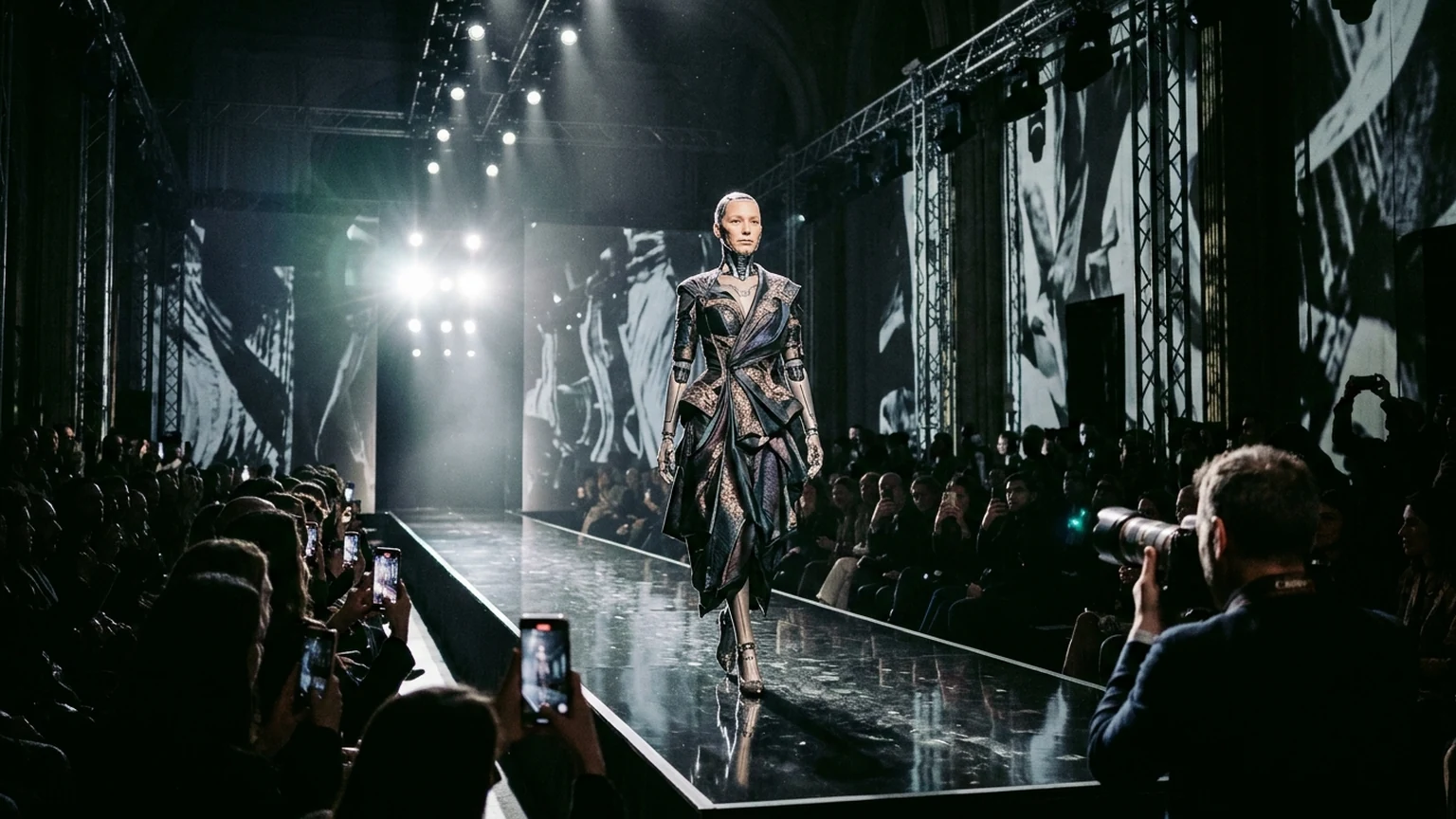
The Mercury News reported on 29 October that fashion and Silicon Valley are in an unusually close embrace. The defining features include relentless promotion of smart glasses, humanoid robots appearing on runways, and polarizing Silicon Valley figures sitting front row at shows. Vogue World's recent extravaganza in Milan was sponsored by Meta Glasses with 'additional support' from OpenAI, eBay and Eli Lilly, and featured robots alongside human models during a runway show dedicated to Italian craftsmanship.
Last month, fashion influencers and designers were flown out to the Meta campus for a day of panels that concluded in a keynote by Mark Zuckerberg, and a party where at least some participants received free Meta Glasses. The influencer engagement is part of a broader effort to make AI wearables feel fashionable rather than merely functional.
The skeptics
The report notes the fashion world is conscious of wary feelings bubbling up around AI. The influencers promoting these products have tried to strike a tone that is at turns dutiful, curious and half-apologetic — and occasionally defensive when confronted about the technology's controversies.
The audience skepticism matters because fashion's influence depends on aspirational desire. If consumers see AI wearables as surveillance devices or tech-gimmicks rather than style statements, the halo effect the brands are paying for will not materialize. The market is still unconvinced.
What it means
For tech companies, the fashion strategy is a marketing channel: prestige events and influencer endorsements position wearables as cultural objects rather than gadgets. Meta Glasses sponsorships put the product in the hands of taste-makers whose endorsement signals status.
For fashion, the relationship brings new money into an industry that has seen growth slow, but it also risks alienating core audiences who view the tech integration as superficial. The report frames it as a marketing experiment rather than a fundamental shift in how the industry produces creative content.
Caveats
The report covers early adopters and events rather than systemic industry change, and specific audience reactions are not measured with data. The sponsorship amounts and the effectiveness of the influencer campaign are not disclosed.
The wearable hardware in question (Meta Glasses) is at an early stage, and whether fashion campaigns actually drive consumer adoption is not yet demonstrated.
Why fashion matters to tech
Fashion has historically been a leading indicator for consumer technology adoption: wearables crossed into mainstream use only when they became style objects rather than utility gadgets. Tech companies court fashion media and influencers because a product seen as fashionable gains distribution, status and price power. Meta Glasses' Vogue World sponsorship follows that playbook directly.
The strategy is not new — Apple, Google and others have shown up at fashion weeks — but the intensity of the current push, with robots on runways and influencer junkets to HQ, reflects how important wearables and AI products are to the next hardware cycle. If fashion audiences embrace smart glasses, the technology gets a cultural legitimacy that no specification sheet can buy.
The pushback
The report notes audience skepticism and AI fatigue. Fashion consumers have seen AI's promises before — from deepfake controversies to AI-generated models replacing human image-makers — and the industry's embrace of tech is not universally welcomed. Some see it as a superficial push toward tech integration that ignores the creative community's concerns.
The tension is real: the same runway events that feature robots and sponsored glasses also rely on human designers, models and artisans whose work is the actual product. How fashion balances the tech spectacle with its human craft will determine whether the AI courtship becomes a lasting relationship or a passing sponsorship.
Key players and events
The report anchors the trend in specific events and companies. Vogue World Milan, one of the most publicized fashion events of the season, was sponsored by Meta Glasses with additional support from OpenAI, eBay and Eli Lilly — an unusually tech-heavy sponsor roster for a fashion institution. Robots appeared alongside human models during a runway show dedicated to Italian craftsmanship.
Mark Zuckerberg's keynote to influential fashion figures at Meta's campus is another data point: the company is making a direct play for fashion's endorsement of its wearables. Influencers who attended received free Meta Glasses, converting them into walking advertisements for the product.
The involvement of both Meta and OpenAI signals that the tech industry sees fashion as a distribution channel for AI products, not just a sponsorship opportunity. The question is whether the industry's audiences will accept the technology enough to make the spending effective.
What to watch
Watch whether AI wearables actually appear in fashion editorial coverage beyond sponsored content, whether designers start designing for the hardware (as they did for headphones and smartwatches), and whether the robot-model experiments translate into real production use or remain one-off spectacles.
Watch audience response metrics: search interest, social sentiment and retail uptake of Meta Glasses after fashion campaigns. If the fashion halo works, expect more tech sponsorships across Vogue, fashion weeks and influencer events; if consumers shrug, the funding will move elsewhere. The industry's real test is whether any of this changes how clothes are designed, marketed or worn — not just what sponsorships are announced.
Common questions
What is the AI Spon-Con?
A trend of tech companies sponsoring high-profile fashion events, like Meta Glasses sponsoring Vogue World Milan with OpenAI support.
Are robot models common?
They appeared at Vogue World Milan's runway, part of the industry experimenting with AI and robotics.
Is this a real shift?
Early-stage marketing experiment — the industry's creative core is unchanged, and audience skepticism remains.
Sources & further reading
How this story was made
Written by Kristian Kostov with AI assistance and checked against the linked sources. Company performance claims are attributed to the company. Analysis reflects AiLookout’s interpretation; we have not independently tested the products discussed. The cover is an AI-generated editorial illustration, not a photograph or evidence of an actual event.
Our editorial standards