Sources checked
Practice checking evidence and protecting data
Start with a bounded exercise such as extracting facts from a supplied document. Ask learners to identify missing evidence, correct an unsupported answer, and decide which information should not be submitted to the tool.
Assess work outcomes instead of course completion
Completing a course is not proof of reliable workplace use. Observe performance on representative tasks and provide a route for questions, corrections, and escalation.
What to practice
Pick a task the team already does. Have people produce an answer with the tool and then mark every claim that lacks a source in the input.
That drill is more useful than a tour of features. It builds a shared idea of done.
A team that skips it will ship faster drafts and spend the saved time in review, or worse, skip the review.
Include the refusal case. People should see an example where the right action is to say the document does not contain the answer.
Otherwise the tool teaches them that a blank is a personal failure and they will fill it.
What not to certify
A completion badge is not evidence that someone can evaluate a model for your data. Keep the certification, if you want one, tied to a worked example in your own documents.
Do not let a vendor’s general course stand in for the privacy rules of your specific system. The owner of the system still owns the failure.
What to record before you rely on it
Save two worked examples: one where the model was right and the source is highlighted, and one where it was fluent and wrong. Use them in onboarding.
Update them when the tool changes. Keep the model id or the paper citation, the date you read it, and the inputs you used beside that note, so a later change can be compared with the same test.
When the result is a failure, store the artifact and change the design. Do not relax the check until the model happens to pass.
Name a person who owns that failure.
Common questions
Should everyone learn to write prompts?
They should learn the task’s check. Prompt wording is a means.
A person who can prompt and cannot check is not ready to send the output onward.
Is speed a bad goal?
It is a fine second goal. Measured after accuracy on your examples, speed tells you whether the tool helped.
Measured instead of accuracy, it tells you the team clicked faster.
Sources & further reading
How this story was made
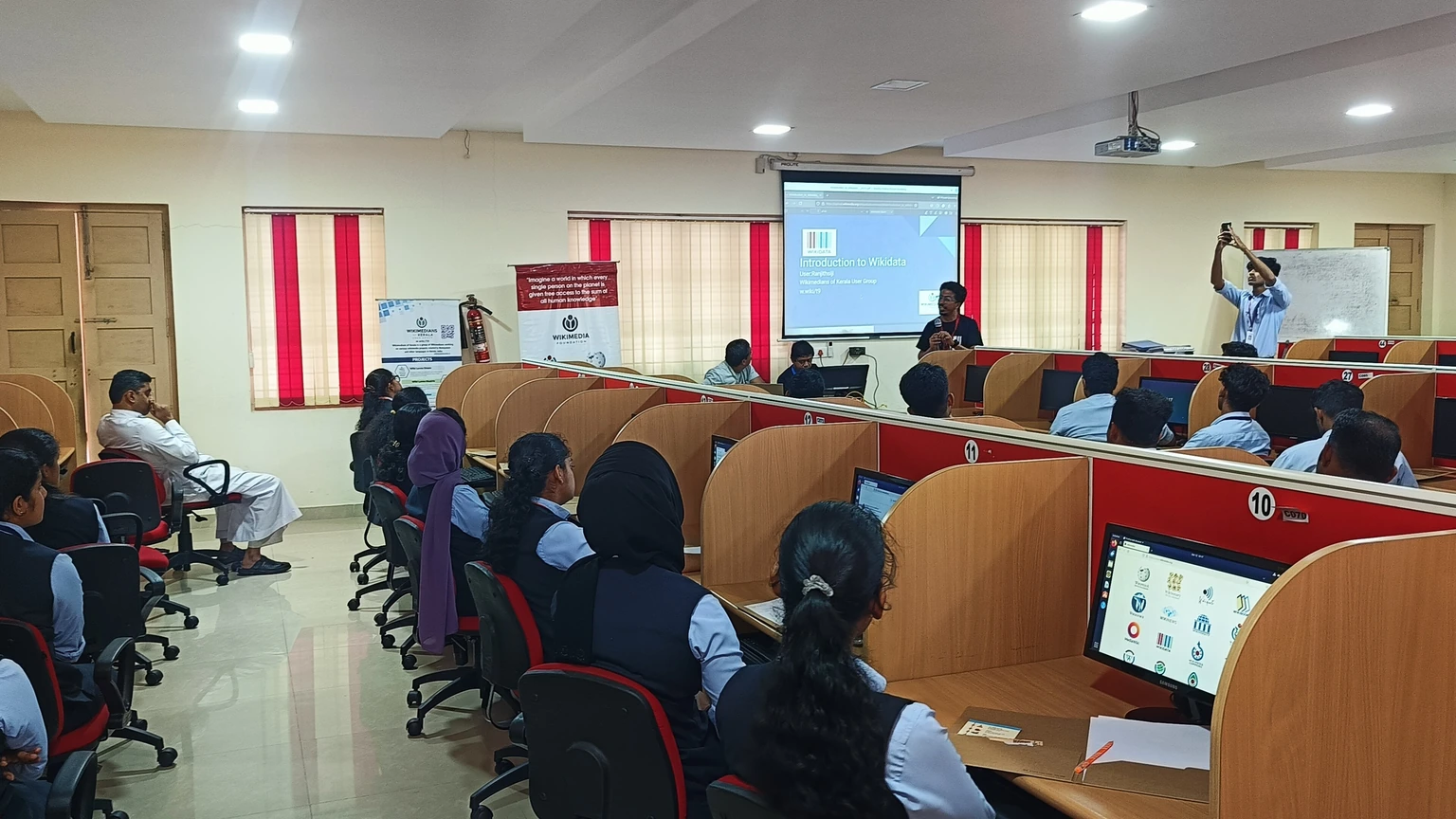
Written by Kristian Kostov with AI assistance and checked against the linked sources. Company performance claims are attributed to the company. Analysis reflects AiLookout’s interpretation; we have not independently tested the products discussed. Cover photography is illustrative and does not depict the specific announcement or product.
Our editorial standards