Announced 28 Oct 2026 · Sources checked
The seizure
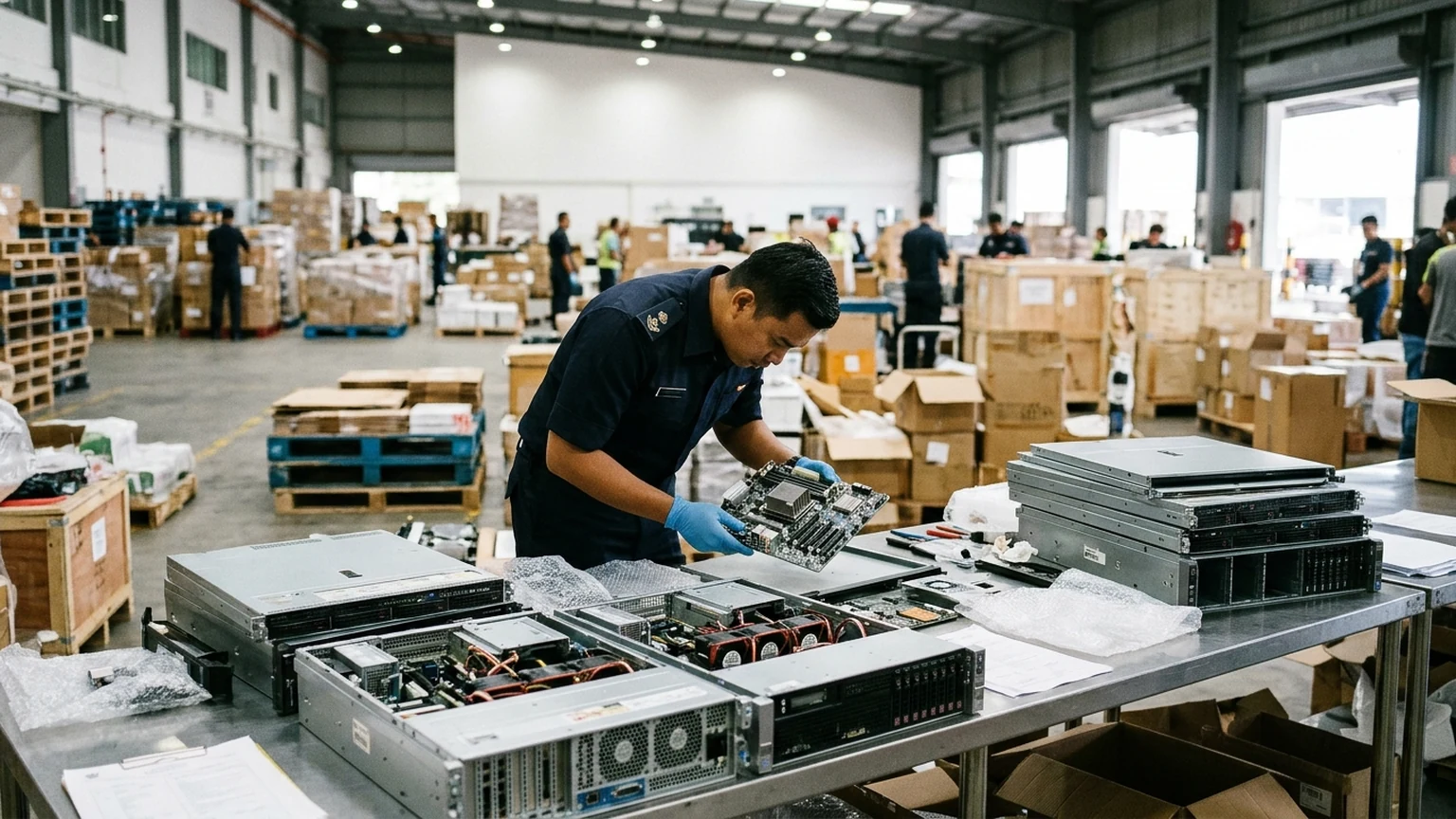
Malaysian customs said on 28 October 2026 that it had seized about 49.5 million ringgit ($12.11 million) worth of advanced artificial intelligence chips this month. On October 15, authorities found 30 server units containing advanced AI chips during an inspection at Kuala Lumpur International Airport's free trade zone, according to the airport's customs director, Aspalila Ag Tuah.The discovery follows a June bust at the same airport, where officers seized 72 server units valued at about RM52.9 million under similar false-declaration circumstances.
The syndicate
Customs investigators say the October shipment was likely carried out by a network responsible for the earlier June smuggling attempt. At least five cases are now linked to the syndicate, involving seizures of chips worth more than 100 million ringgit in total. Aspalila declined to divulge further details, citing the ongoing probe.
The pattern is consistent: high-performance AI chips are being hidden inside server units and shipped through the airport's free trade zone, a common route for high-value electronics moving through Southeast Asia.
Why this matters
The seizures illustrate the gray market around advanced AI chips. Export controls on high-performance GPUs have made them a target for diversion, and Malaysia's position as a logistics hub makes it a transit point for chip smuggling into and through the region. The scale — five seizures, 100 million ringgit, in one year at one airport — suggests a systemic smuggling route rather than isolated attempts.
The case also shows the difficulty of enforcing AI chip export controls: the chips arrive inside assembled server units, which are often declared as generic electronics. Without per-unit inspection and technical classification, customs must rely on intelligence and spot checks.
Caveats
The figures come from Malaysian customs officials speaking at a press conference and have not been independently verified. The specific chip models were not disclosed, so it is unclear whether the seized hardware is subject to US export controls or is a lower-tier product.
The syndicate link is the customs department's own assessment; the investigation is ongoing and no charges have been detailed publicly.
The dollar figures come from Malaysian customs statements and have not been independently audited; the ringgit conversion uses the customs' own figure. The chip types, models and final destinations were not disclosed.
The 'syndicate' is the customs department's characterization of the network behind multiple cases, which is standard for smuggling investigations but is not a legal finding. No named individuals have been publicly charged in connection with this seizure as of this writing.
What to watch
Watch whether the investigation produces charges against named individuals and where the chips were headed.
Watch whether other regional airports report similar seizures, which would confirm a broader smuggling pattern.
Watch how export-control authorities respond in Malaysia and the US to the diversion of advanced chips through Southeast Asia.
The smuggling route
Kuala Lumpur International Airport's free trade zone is a known transshipment point for high-value electronics: goods can move through with minimal inspection, making it attractive for concealment and false declaration. Hiding GPUs inside assembled servers is a deliberate evasion tactic because servers can be declared as generic IT equipment and the chips are only visible on close inspection.
The June case — 72 server units valued at RM52.9 million — shows this is not a new method at this airport. The recurrence suggests the syndicate treats the route as reliable and is willing to keep using it despite seizures, which points to the profit margins in diverted AI hardware.
The export-control connection
Advanced AI chips are among the most controlled items in global trade, with US rules restricting exports of high-performance GPUs to certain countries. Smuggling networks have adapted by routing chips through intermediaries — Malaysia, Singapore, Hong Kong and the Gulf have all appeared in diversion cases — to obscure the final destination.
Officials did not say where the October shipment was headed or what specific chips it contained, so the export-control connection is contextual. But the volume, the concealment and the syndicate pattern all fit the profile of a diversion operation rather than ordinary electronics trade.
What this means for the AI hardware market
Each seizure is a data point about demand: someone is willing to pay smuggling-level premiums for advanced AI chips outside the official channels, which means the controlled supply is not satisfying demand in parts of Asia. The black-market price of high-end GPUs when export-controlled adds a margin that makes concealment, shipping and risk worthwhile for syndicates.
For legitimate buyers, the seizures illustrate the scarcity and control regime around AI hardware: waitlists, allocations and export licenses are the official path, while the gray market is what fills the gaps. Customs actions like this one raise the cost of the gray path, but as long as demand exceeds authorized supply, syndicates will keep trying.
Common questions
What did Malaysian customs seize?
About RM49.5 million ($12.11 million) in advanced AI chips hidden inside 30 server units at Kuala Lumpur International Airport.
When did the seizure happen?
Officials found the servers on October 15, and customs announced the seizure on October 28.
Is this a one-off?
No — customs links at least five cases to the same syndicate, with combined seizures worth more than 100 million ringgit.
Sources & further reading
How this story was made
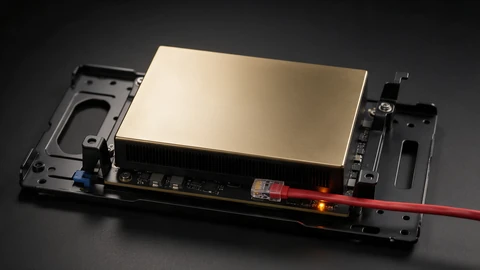
Written by Kristian Kostov with AI assistance and checked against the linked sources. Company performance claims are attributed to the company. Analysis reflects AiLookout’s interpretation; we have not independently tested the products discussed. The cover is an AI-generated editorial illustration, not a photograph or evidence of an actual event.
Our editorial standards